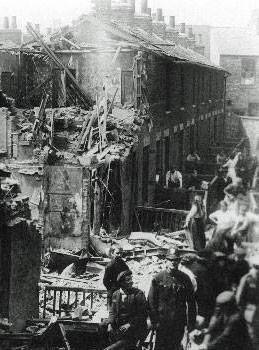
In June 1915, Hull experienced its first and deadliest Zeppelin raid.
Britain was the first county in history to experience widespread strategic bombing of civilians. Two large, rigid air ships, named Zeppelins L3 & L4, after their creator Count Ferdinand Von Zeppelin, dropped bombs on eastern coastal towns in January 1915. They caused casualties in Great Yarmouth and Kings Lynn.
As in the Second World War, the Humber estuary and River Hull made the City an easy target for aircraft to find and attack. Hull’s industry at the time of the raid was dominated by shipping, fishing and its associated trades. In June 1915, Hull’s population was about 291,000 and the City was exporting 56,760 tons of coal to foreign countries. It proved a large, lucrative target’.

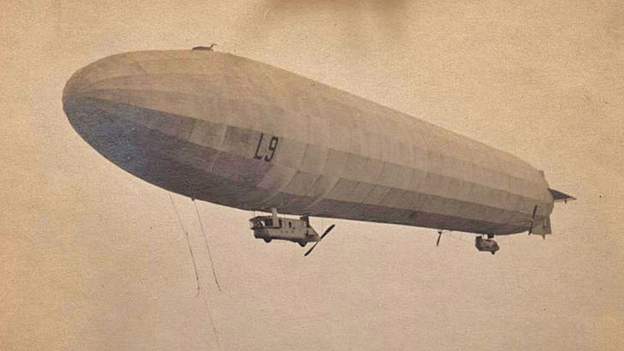
The Zeppelin’s route to Hull was anything but direct. Because of fog, it had already abandoned its initial mission to reach London. It then flew over Norfolk and started its final run on Hull after making landfall near Bridlington.
19:25 – The first warning of a possible pair of Zeppelins came from intercepted wireless traffic. The crafts were somewhere out in the North Sea.
21:30 – Major General Ferrier, commander of Humber defences, ordered all lights in Hull extinguished. (Nordholz AeronauticumCopyright: Nordholz Aeronauticum)
22:20 – Airship seen at Flamborough head
22:30 – Seen at Hornsea
22:40 – Seen at Withernsea
23:00 – Over West Ella, moving eastwards towards the city following the railway lines then veered towards the Humber estuary.
23:45 – L-9 was spotted above Hedon. Summary: Hull Zeppelin raid: 6/7th June 1915. Casualties: 24 people dead and 40 wounded. About 40 bombs dropped on the city. The midnight raid lasted 30 minutes.
Zeppelin raids caused widespread fear among the civilian population. Capable of travelling at around 85 miles per hour and carrying up to two tons of bombs, Zeppelins wreaked havoc on a largely unprotected Hull. Dropping incendiaries and explosives from heights of around 3,000 feet, they sparked raging fires, damaging many buildings, including Hull’s Holy Trinity Church. These air attacks were a new and terrifying experience for Hull civilians. The sheer terror that Zeppelins caused at the time cannot be overstated. Lack of knowledge intensified fear and paranoia. Parents told their children to be quiet or whisper, in case they attracted a bomb. Clocks were stopped to avoid their ‘ticking’ giving a signal to the enemy. In Hull, it was reported that the spectacle of a large, looming Zeppelin, caused people heart attacks. Some people even thought it was divine intervention and dropped to their knees in Hull’s Victoria Square to repent their sins. There were no Air Raid shelters, people used Pickering Park and Mr TR Ferens, East Hull stables or hid under the stairs as protection from this ‘death from the skies’. The Guildhall basement also became a air raid shelter.
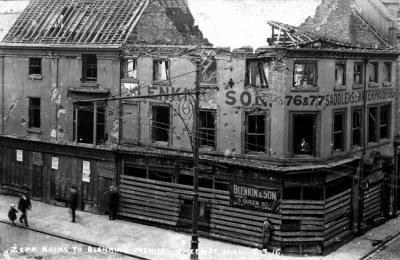
The first of eight Zeppelin raids on Hull, began on Sunday 5th June 1915. While many of bombs were aimed at Hull’s docks, they inevitably fell on the overcrowded houses nearby. This caused great panic and hardship to the densely packed communities. A garage was burnt down on Constable Street, Holy Trinity Church had windows shattered, the Edwin Davis Drapery store was destroyed with £100k of damage. Casualties were 24 people dead, including three youths) and 40 wounded. About 40 bombs dropped on the city. The midnight raid lasted 30 minutes. A large crowd then took the street of Hull and incensed by the destruction and lack of defences attacked “German” businesses. Windows were broken, good stolen and pandemonium ensued until police and troops arrived on the scene. Many compensation claims were received by the Chief Constable of Hull. Thousands took refuge in the parks and countryside fearing another air raid.
6th June 1915.- Eye Witness Accounts of Hull’s First Air raid
Mrs Websdale, of 23 Bright Street, Hull, said her husband was on duty as a Special Constable. Around midnight, a bomb fell on no 30, but it did not wake her son who was asleep in the attic. Two bombs then fell on Hewetson & Co’s sawmills and reduced it to ruins. The Zeppelin hovered over the area for some time and the Reckitt’s factory had a narrow escape from destruction. The extent of damage at the sawmills was £10,000 and a large amount of valuable machinery was destroyed. Mrs Bielby, of 1 Church Street, told how she and her family were sleeping, when a bomb dropped at the entrance of the terrace and shook the houses so violently that they had to be rebuilt. A huge hole was made in the ground.
Annie Nix, of 15 East Street, Hull, said that a bomb fell at Nos: 10 and 12, killing Jane (45) and George Hill (48), who were in bed. They were taken to St Peter’s Church, nearby. Edward Jordan (10) at No:11 Ella Street was also killed and three children Willie, Florrie and Elsie were injured. 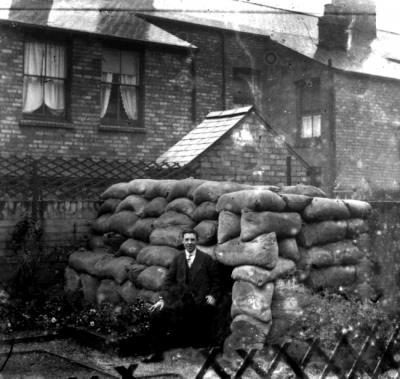
Mr Russell of Waller Street, Hull, said a bomb fell in the middle of Walter’s Terrace, demolishing 4 houses on each side. Eliza Slade (54) was killed at No 4, as were a mother and daughter at No: 3. Florence White (30) and her son George (3) and Alfred Mathews (60) at No:11 were also killed. An incendiary bomb dropped on a house in Ellis Terrace and one woman did not find her three children until a fortnight later, when it was found that they had been badly injured and were in the Naval Hospital on Anlaby Road.
At South Parade, a bomb dropped at No:50, where two children were asleep with their mother. The children were burned to death, but the mother escaped. The children were Maurice Richardson (11) and Violet Richardson (8). Their father was away in the army.
Three Houses in St Thomas Terrace, Campbell Street, Hull, were wrecked by a bomb falling on No:2. William Walker (62), and his daughters Alice (30) and Millicent Walker (17), were killed. One of the girls’ bodies was blown on to the lower roof of St Thomas’s Church, which had a narrow escape from destruction.
At Regent Street, (now Rawlings Way), an incendiary bomb was seen to fall in the back yard of Mr Francis Ford, of No: 89. He immediately got out of bed and threw a bucket of water on the blazing missile and extinguished it. This action undoubtedly, saved many lives and valuable property.
Mr Burns of Wheatley & Co, Myton Gate, Hull, reported on the attack on the Corn Exchange Hotel. An Incendiary bomb went through the roof, ceiling and sitting room and finished in an upholstered divan chair. No doubt the copper springs in the chair lessened the shock of the fall, averting very serious damage. A fire started at the pub which was quickly extinguished on arrival of the fire brigade.
Coroners’ reports
It wasn’t just explosion and fire that killed people during air raids. According to the Hull coroners’ reports, several deaths were attributed to shock, fear and stress.
Coroners’ reports on several people aged from 36 to 67 included one which noted, “fatty degeneration of heart, accelerated by shock of German Zeppelin Air Raid”.
One person – the unfortunate Alfred Wonnison (or possibly Morrison), of Market Place – had his death attributed by the coroner to “shock after his wrongful arrest for being a German spy”. It was noted he died of cardiac failure, accelerated by shock, through being wrongfully arrested by two gunners.
Jane Ann Booth, (51), died at 2 Alma Street, Church Street, Hull, on the 24 July 1915. The coroner noted “vascular and cardiac disease present, accelerated by shock and fear of Zeppelin raid”.
William Jones (80), of Room 19, Trinity House, Posterngate, died on 17 Sept 1916. The Inquest reported that he had sustained head injuries during the raid, which healed, but he died of heart failure (Hull Daily Mail 19/9/1916).
Elizabeth Jane Bond, (75), of 6, Sydney Terrace, Grange Street, Hull, went outside during a raid, fell over, and sustained head injuries. Taken to Hull Infirmary, she died of shock the next day on 8 August 1916. (Hull Daily Mail 10/8/1916).
John Longstaff, (71), of 6 William Place, Upper Union Street, Hull, was taken ill and died near Pickering Park, after hearing the air raid buzzer (Hull Daily Mail 13/3/1918).
At least three civilians died of fear during air raids – Jane Ann Booth, (51), on 14 July 1915; William Clarkson, (62), on 22 August 1917; and Sarah Masterman, (58), on 12 March 1918;
An unusual casualty, was Private, Sidney Smith, 12th EYR, from 16, Bean Street, Hull. He was home on leave, during the 5th June 1915 and was traumatised by the air raid. His army medical records state that he had “Strong Emotional Shock, caused by the Air raid on the 5th June”. He was subsequently diagnosed as “Melancholic” and unable to carry out any normal duties. He was discharged from the army as permanently unfit, after 1 year and 303 days service. Committed to the Willerby Asylum, he died on 26th August 1918, aged 23. All this attributed to the Hull air raid on the 5th June 1915.
In all, there were 51 air attack warnings in Hull, lasting a total of 206 hours. On one particular Monday there were 14 false alarms. Between 12 April 1915 – 5 August 1918, air raid sirens or “Buzzers” sounded 22 times in 1915, 23 times in 1916, 3 times in 1917 and 5 times in 1918
There were at least eight air attacks on Hull, during the First World War. These were:-
5- 6 Jun 1915 – Sunday midnight – 5 died of shock; 19 killed, 40 injured. The raid lasted 30 minutes and dropped 13 High Explosives and 47 incendiaries – widespread damage. Hull riots. Thousands took refuge in the local parks and countryside, fearing another attack.
5-6 March 1916 – Sunday midnight – 2 died of shock, 16 killed, 52 injured. Two Zeppelins attacked. The raid lasted over a hour. Many homes destroyed
5 April 1916 – Wednesday, 9.10pm – 1 bomb dropped. No one killed, but Jessie Mathews, aged 2 months, died of shock
8-9 August 1916 – Tuesday 1.15am – “The Selby Street Raid” – at least 16 bombs dropped. Many sought safety in the country and spent the night in fields and parks.
2 Sep 1917 – Saturday, 12.40am – German Zeppelin driven off. No bombs dropped. No casualties
24 Sep 1917 – Monday, 2.50am – several bombs dropped. No casualties
12 Mar 1918 – Tuesday 1.15am – 1 died of shocked (Sarah Masterman). No deaths, 3 injured. 6 bombs dropped
5 Aug 1918 – Monday 1am – German Zeppelin driven off. No bombs dropped. No casualties
In total, 169 Hull citizens became casualties; 43 killed, 11 died of shock and 115 injured. The deaths included 21 women and 17 children.
Here are some pictures and stories from the first air raid. A Pictorial Record, entitled Hull and the Zeppelins; Scenes of damage sustained in Hull is available to view the Hull History Centre (Ref: C DJE/1)
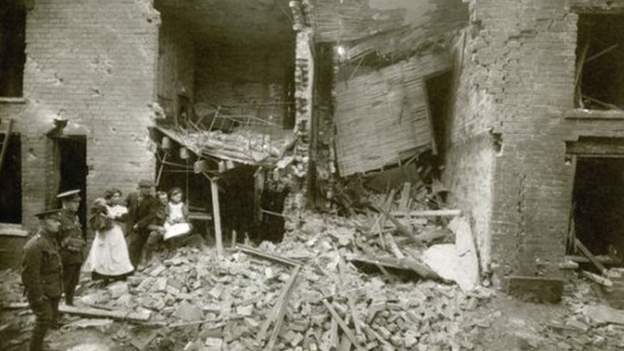
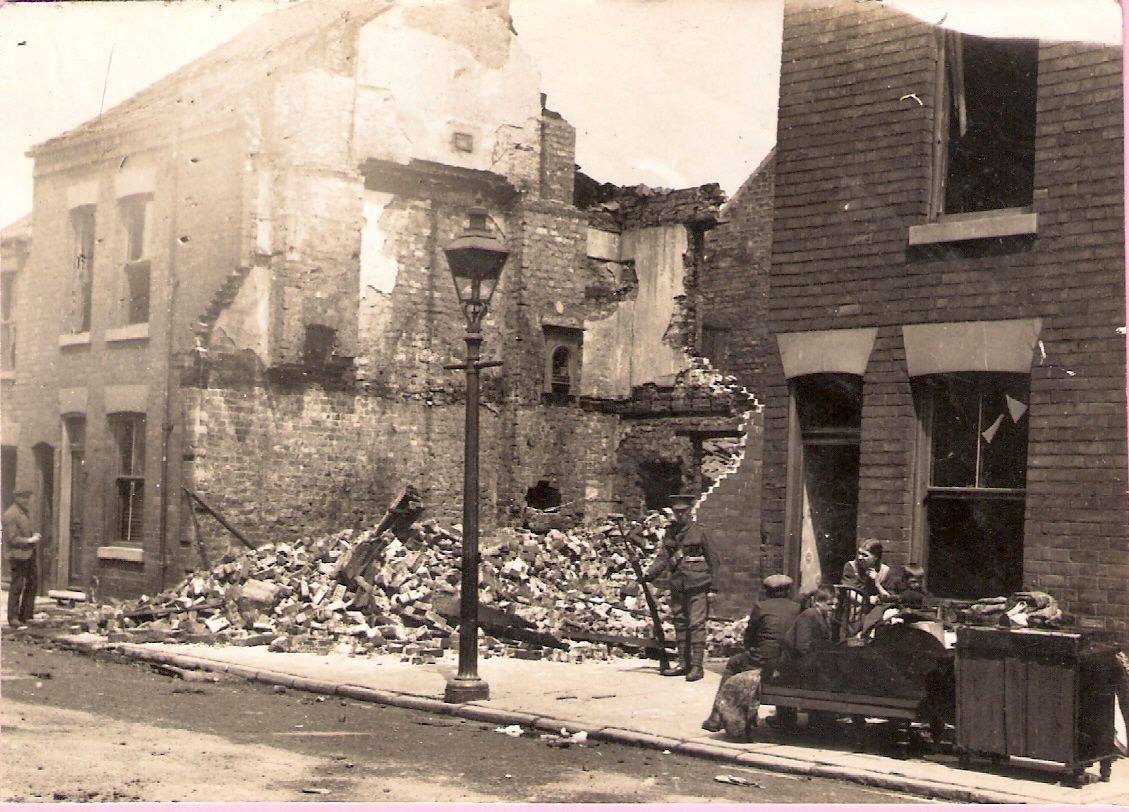
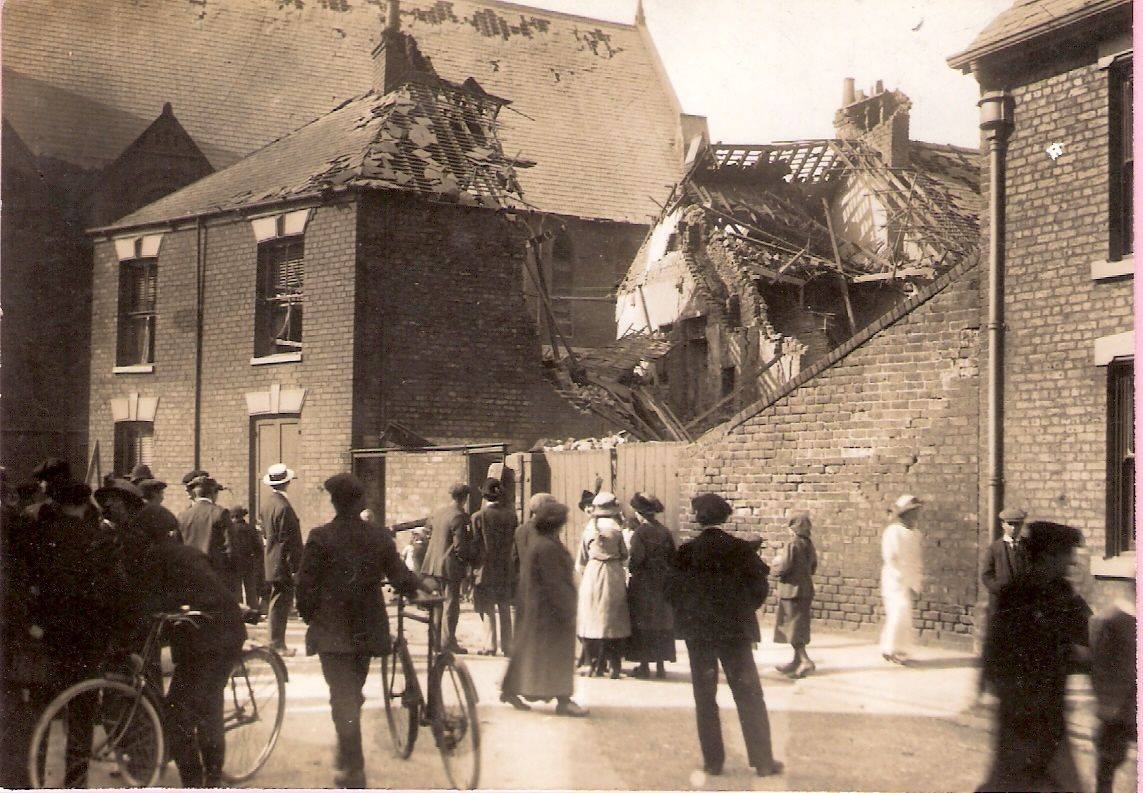
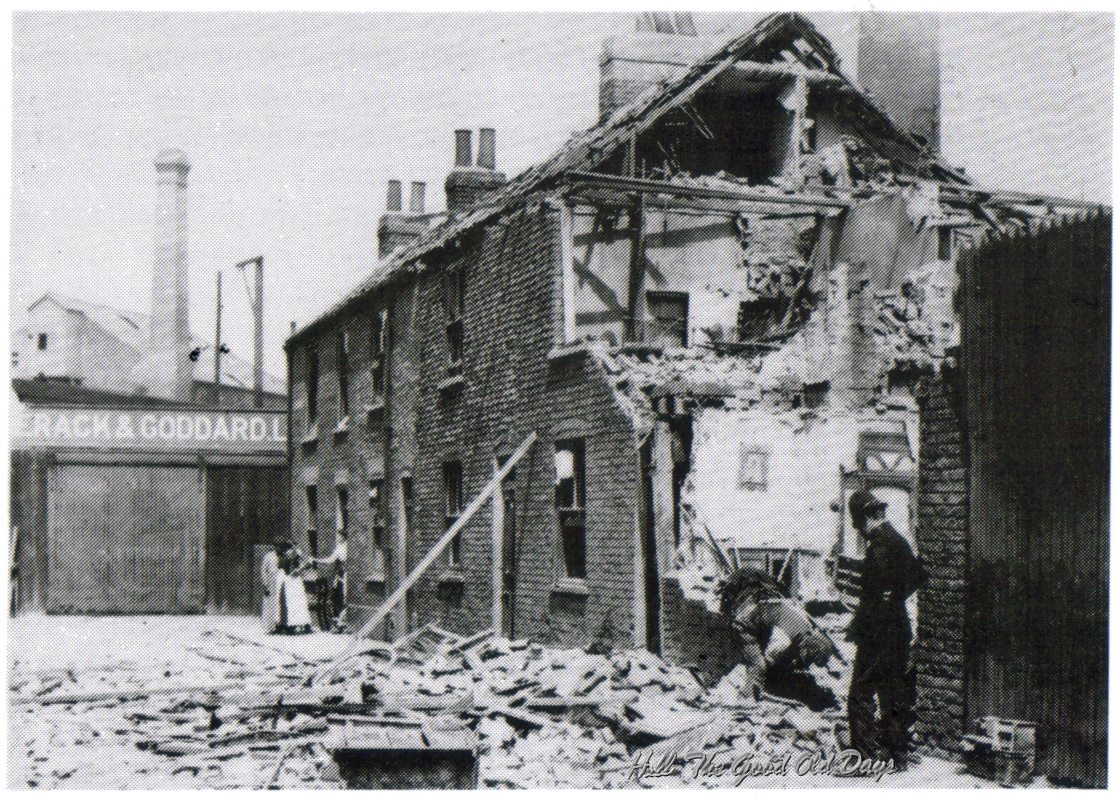
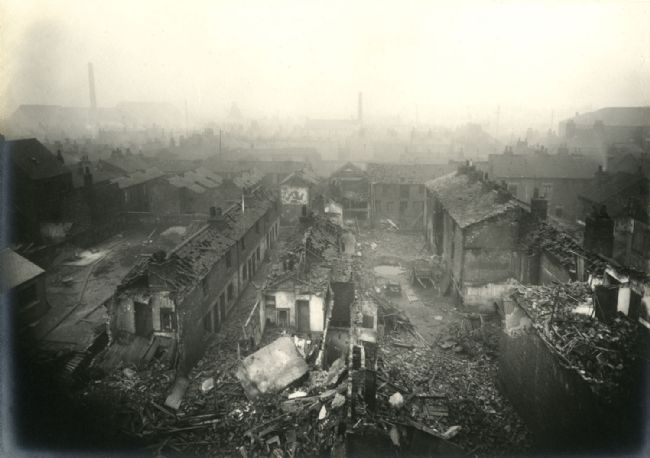
About 40 bombs in total fell on Hull during the raid. In Walter’s Terrace, off Waller Street, 14 houses were badly damaged, four of which collapsed, when they were hit by a bomb.
Four people were killed – three-year-old Isaac White and Florence White (31) at Number 3; Elizabeth Slade (55) at Number 4, and Alfred Matthew (50) at Number 11. The bomb crater was 18ft (5m) wide.
An incendiary bomb at neighbouring Ella’s Terrace penetrated two floors of the house at Number 3. it fell through the roof upstairs bedroom ceiling, the bedroom floor and front room floor. The fire was put out by neighbours with buckets of water and nobody was injured.
L-9 was now reported to be “at its greatest height”. As the Zeppelin made its way back to its base in Germany the city of Hull started to count the cost of the deadly raid.
During the 30 minutes of the attack 24 people had been killed and 40 injured. There were no casualties among the attackers.
In all 40 houses were destroyed.
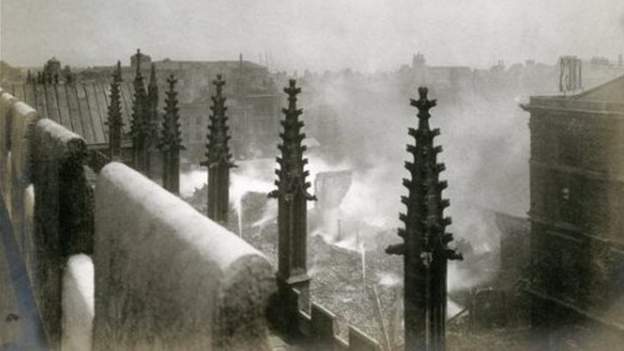
Demetrius Franks, the licensee, and his family were in the cellar when the bomb struck and escaped injury.
It was initially thought that there had been no loss of life, but 10 days after the fire, a woman’s body was found under the debris. She was not identified nor did anyone report her missing. (Photo: Hull Museums Copyright: Hull Museums)
When a photographer captured the scene from the church roof at 10:00 on Monday 7 June the ruins were still on fire.
Then the wind began to gently veer round to the opposite direction causing the smoke to blow up at the camera.
“Thus a fire six or seven hours later would have probably consumed this large and historic building,” he concluded. As it was, the damage was estimated at £34,000.
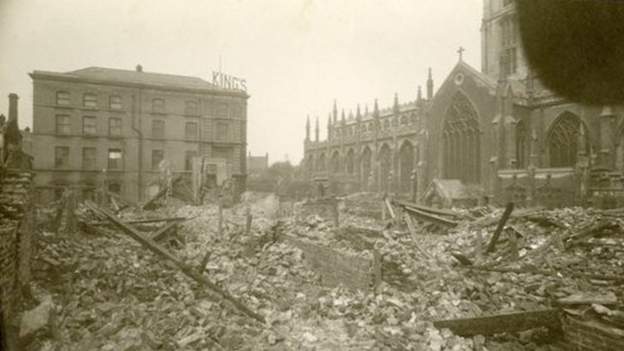
The incendiary started a fire and it was reported that the heat within the church during the blaze “was terrific and the lead of some of the stained glass windows melted”. Fortunately, during the raid the wind blew from the north west – away from Holy Trinity – thus saving both the church and the neighbouring King’s building.
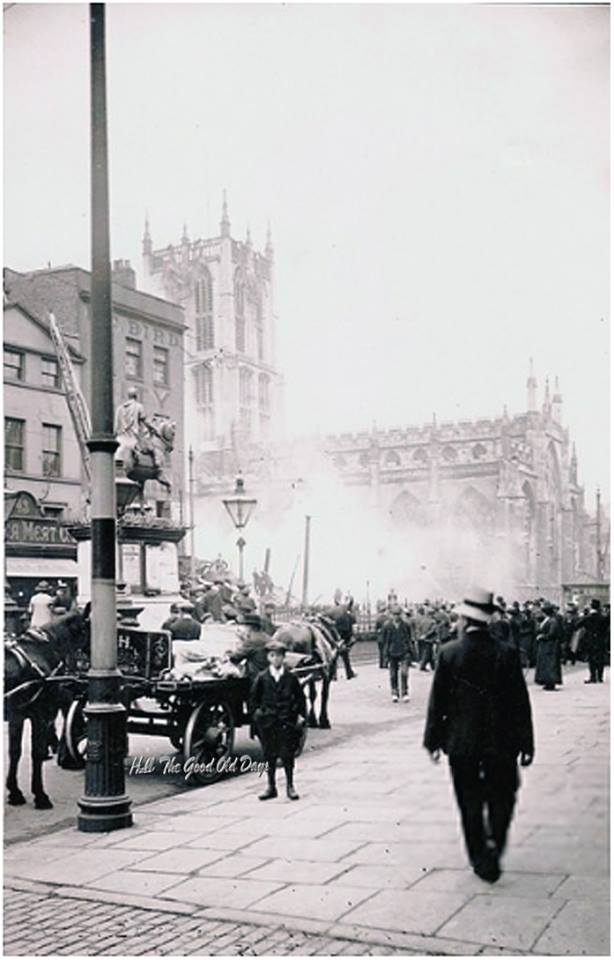
“I remember going there with my brother and sister, ” she said in Keep The Home Fires Burning by local historian John Markham.
“There were rolls of cloth, all smoking and rolls of ribbon. There was a policeman on duty and we asked if we could have some ribbon.
“He said yes and he’d reach it down for us. We got ever so much ribbon. It was all debris, really, and the policeman let us take some.”
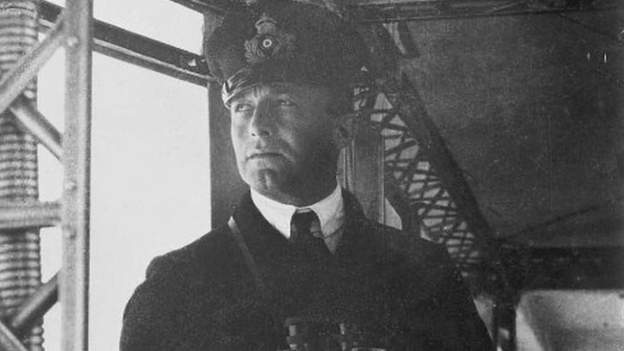
Nordholz Aeronauticum Copyright: Nordholz Aeronauticum
Extract from The Zeppelin in combat- a history of the German naval airship division 1912-1919 by Douglas H Robinson:
“The shortness of the June night, and high temperatures persisting after sundown, made an attack on London hazardous, so Mathy decided to bomb Hull. “Mist blanketed land and sea, and only after a painstaking two-hour search with parachute flares did Mathy recognise Bridlington and from this point of reference set a course for Hull.” Kapitanleutnant Heinrich Mathy was born on 4 April 1883 in Manheim, Germany. His father was a bank director. He became feared and revered as one of the finest Zeppelin pilots and commanded L-9 from 8 March to 23 June 1915. He went on to be commander of the L-13 until April 1916. Mathy then took over the L-31 until he was shot down over Potters Bar on 2 October 1916. He had crossed the North Sea on a mission to bomb London. He is buried at the German military cemetery at Cannock Chase.
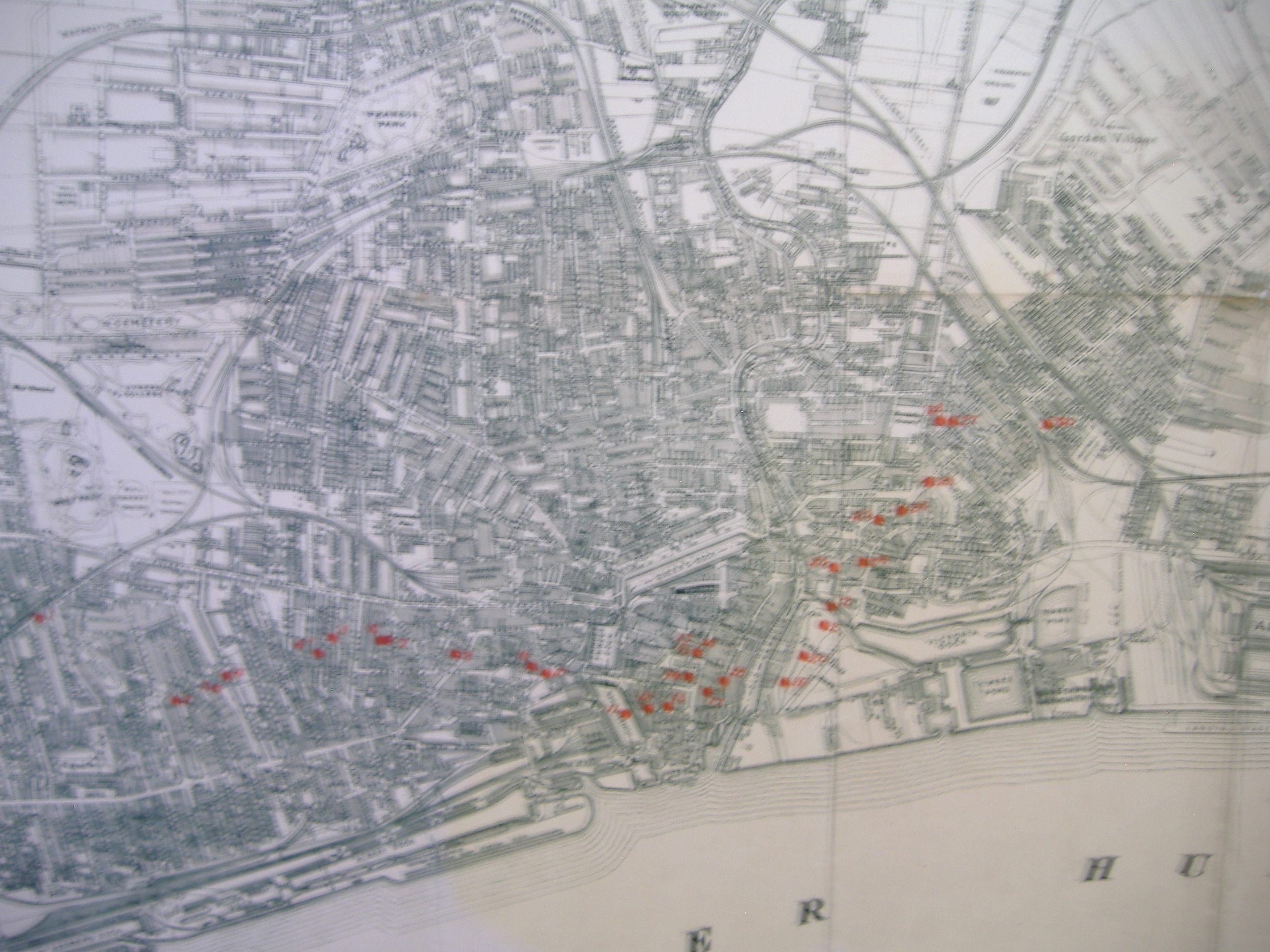
1. The first air raid in Hull occurred on Sunday 5th June 1915 at midnight. Here is how events unfolded. The alarm buzzers had previously blown five times before and as nothing had happened, many people ignored the alarm. The Zeppelin L.9, commanded by Captain, Heinrich Mathy, had been prevented from reaching London by high winds. It was spotted flying over Hedon at 11.45pm, and arrived over the sleeping City of Hull, two minutes later. The air raid lasted 30 minutes, cruising back and forth over the city, dropping 13 high explosives and 47 incendiaries. These bombs in sequence hit Constable Street, Coltman Street, Campbell Street, South Parade, Porter Street, Queens Street, Blanket Row, East Street, and Waller Street. The last bomb fell in the Humber Dock, damaging a cargo ship called the ‘Crocus’. Forty shops were destroyed, including the large Edwin Davis shop in Queen Street. Casualties were 24 people dead and 40 wounded.
BOMB! Various locations. Bombs were recorded at:
Bright Street – the premises of Palmer’s grocers was destroyed.
Dansom Lane – a saw mill and timber yard destroyed.
Milton Street – incendiary fell in St Mary’s Roman Catholic school yard.
Danson Lane – burned out Lear’s Stables with a “considerable fire”.
Clarence Street – incendiary burned out, no damage.
East Street – explosive bomb demolished two houses. It killed Edward Jordan (10) in number 11, his parents were seriously injured and taken to Naval hospital. Mr and Mrs Hill were killed at Number 12.
Victoria Dock – an incendiary in Victoria Dock fell on Swedish ship lying in river basin. Ship’s deck slightly damaged.
Tower Street – Wade’s Timber Yard bomb severely damaged railway line and bashed holes in the walls of neighbouring warehouses.
BOMB!
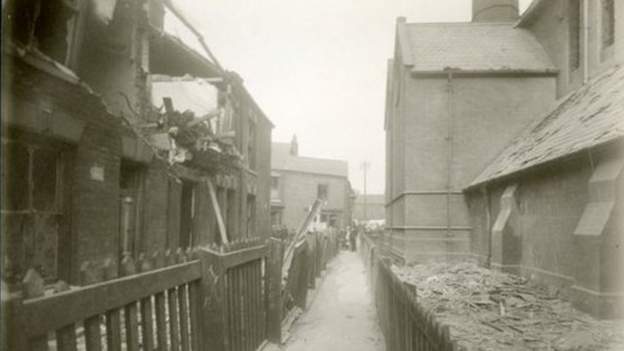
St Thomas’ Terrace, Campbell Street, Hull
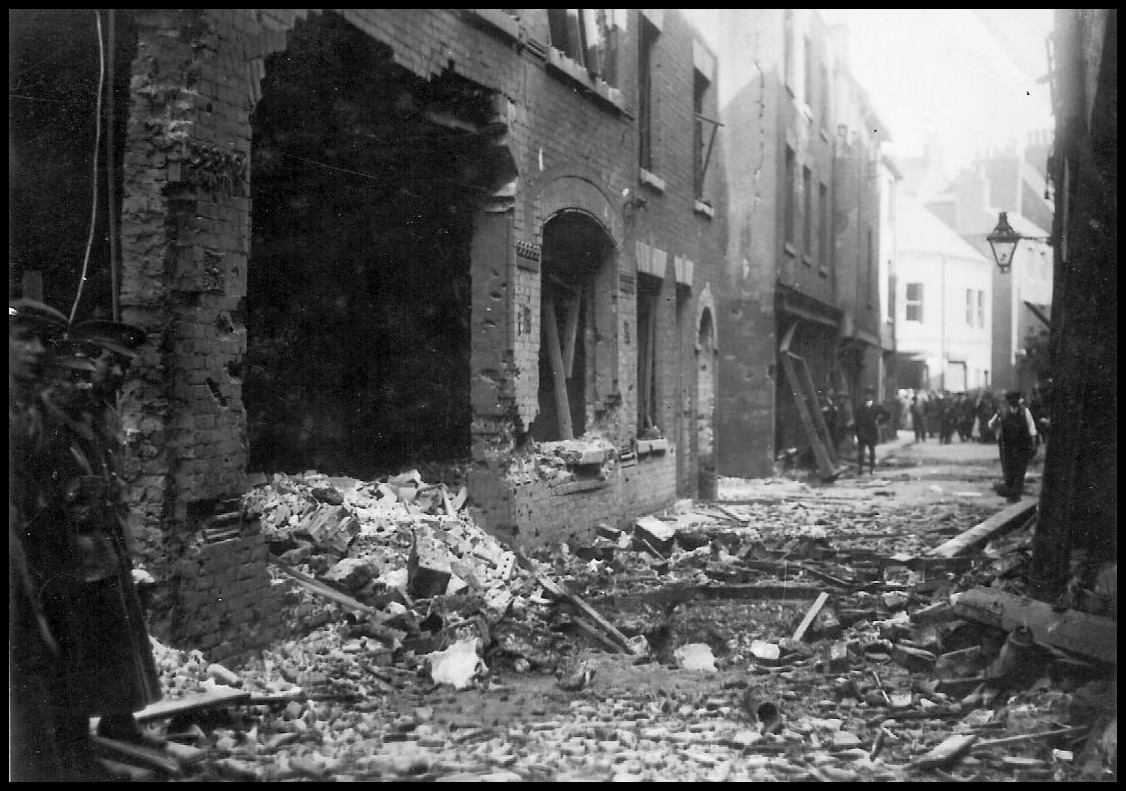
The effects of an explosive Zeppelin bomb are clear in these pictures.
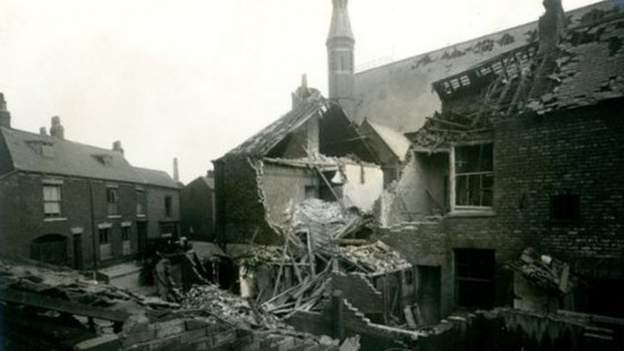
The gap in the centre was house number 2, in which William Walker (60) was killed along with his daughters Alice (32) and Millicent (17). A third daughter May Walker (18) was seriously injured.
Alice’s body was blown onto the aisle roof of St Thomas’s Church, a distance of 30 feet (9m). Millicent’s was blown into a yard at the rear of the house.
Mr Hatfield of the railway police lived in number 3 and although it was badly damaged and almost demolished he, his wife and four children escaped alive.
BOMB!
Various locations
Constable Street – bomb number 27 hit lower floor of No 109½ Constable Street. Two cars burned out and garage was almost burned out.
Coltman Street – incendiary at number 153 fell through roof on to partition wall and through floor of landing. Fire extinguished by neighbours, not much damage.
South Parade – incendiary at number 50, fell through roof and ceiling, setting room on fire and burning to death Maurice (11) and Violet Richardson aged (8).
About 40 bombs in total fell on Hull during the raid. In Walter’s Terrace, off Waller Street, 14 houses were badly damaged, four of which collapsed, when they were hit by a bomb.
Four people were killed – three-year-old Isaac White and Florence White (31) at Number 3; Elizabeth Slade (55) at Number 4, and Alfred Matthew (50) at Number 11. The bomb crater was 18ft (5m) wide.
An incendiary bomb at neighbouring Ella’s Terrace penetrated two floors of the house at Number 3. it fell through the roof upstairs bedroom ceiling, the bedroom floor and front room floor. The fire was put out by neighbours with buckets of water and nobody was injured.
L-9 was now reported to be “at its greatest height”. As the Zeppelin made its way back to its base in Germany the city of Hull started to count the cost of the deadly raid.
During the 30 minutes of the attack 24 people had been killed and 40 injured. There were no casualties among the attackers.
In all 40 houses were destroyed.
BOMB! Five boys escape
An incendiary bomb hit 102 Great Thornton Street, Hull, the home of Harris Needler. In one of its rooms five boys were sleeping, two of them in a bed that was struck by the bomb. In this remarkable photograph you can see the iron of the bedstead is bent and one of the boys is sitting at the scene of their lucky escape.
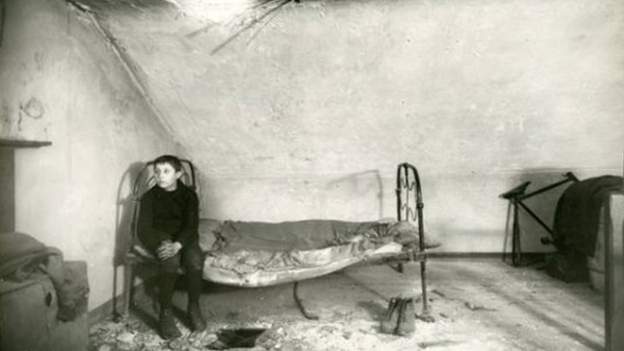
The hole caused by the device is immediately above him. All five boys escaped unhurt.
However, the bomb penetrated the floor and landed on a bed in the room below, occupied by Mrs Needler, who survived despite suffering serious burns.
BOMB!
Craven Street Football Ground
The bombing raid lasted about 30 minutes – with the first device hitting the city at about 11:45pm on Saturday 6th June 1915 and the last one at quarter past midnight on Monday 7 June.
The fourth bomb, an incendiary device, landed just 200 yards from Craven Street Football Ground – the home of Northern Union (now known as rugby league) side, Hull Kingston Rovers.
It caused no damage and burned out.
Just two months earlier, the Northern Union secretary announced that 1,418 amateur and professional rugby players had enlisted.
At the league’s annual general meeting a few days after the raid, a resolution was passed by a large majority: “That except for schoolboys and intermediates under eighteen years of age, competitive football under Northern Union rules be suspended for the duration of the war.” In 1919 when the full competition restarted Hull KR came 19th out of 25 in the league.
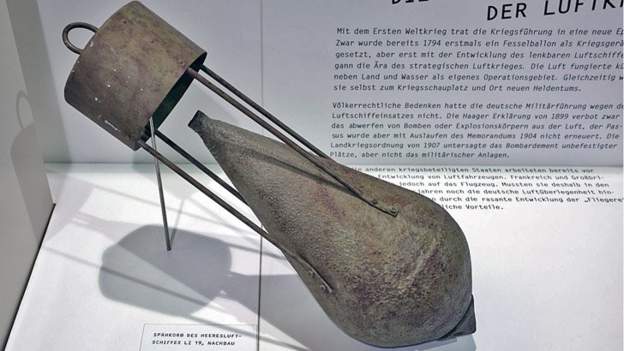
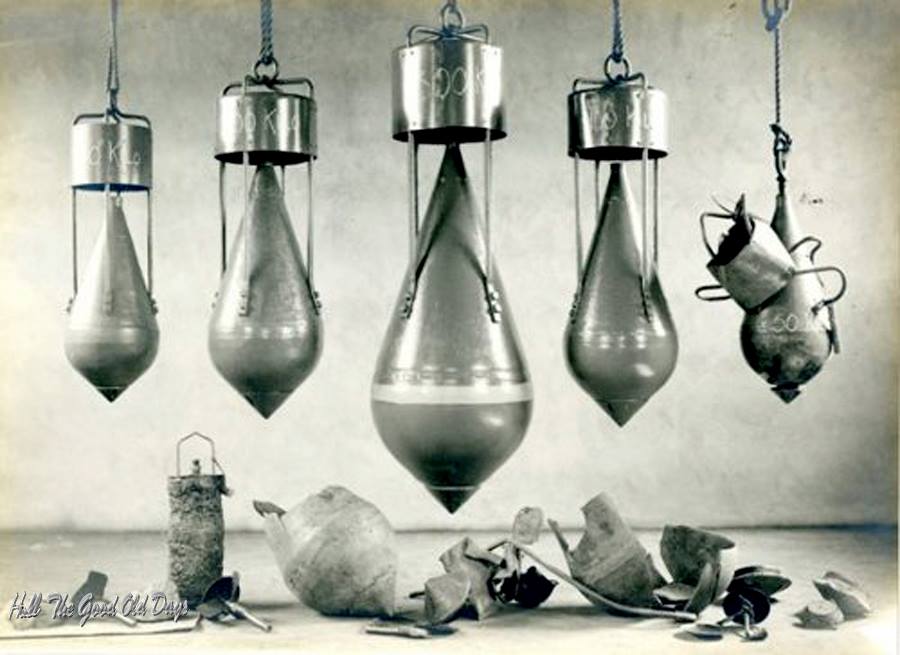
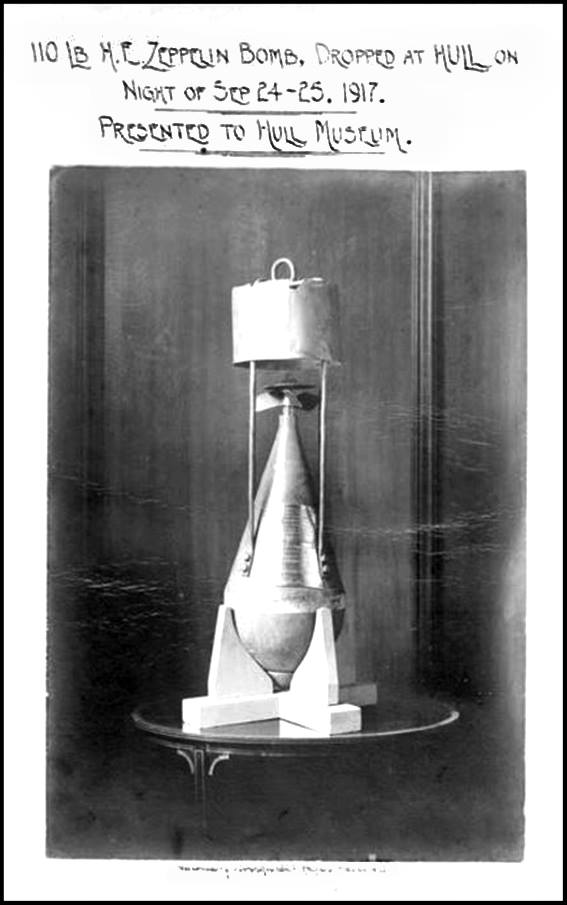
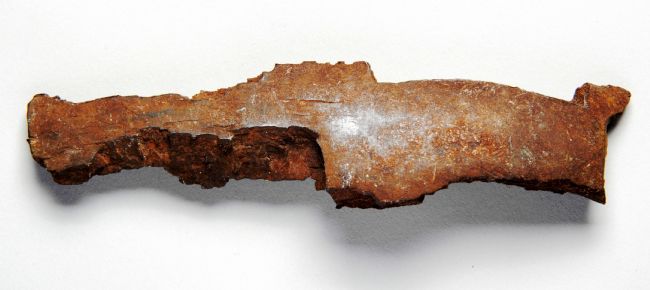
The first bomb (similar to the one pictured here) hit Alexandra Dock about 250 yards (230m) directly north of the coal conveyor.
(BBC Copyright: BBC)
It fell in a pile of pit props, scattering them and making a hole 10ft (3m) deep. Fragments pierced the metal of a nearby railway line and cut a telegraph pole in half.
Holy Trinity Church (now Hull Minster) was also bombed, causing £100,000 in damage.
One bomb left a hole in the High Street, some 20 feet in diameter and 8 feet deep which disrupted traffic. After half an hour of bombing, the Zeppelin L.9, headed home around 12.20am. The air raid killed 24 Hull people and injured another 40 civilians. Among the deaths were a father and two daughters in Campbell Street, two children burnt to death in South Parade, two brothers in Blanket Row and a mother and son in Waller Street, Hull.
Another raid by the Zeppelin L.9, intended for Hull on 9th August 1915, was blown off course and bombed Goole instead. It killed 16 civilians.
The frustration of citizens at the complete lack of defences led to several disturbances, over the next three day. Shops believed to be owned by Germans were attacked and items stolen. A Royal Flying Corp vehicle in Hull was stoned by an angry mob and a flying Officer was attacked in Beverley. As a result, mobile guns and searchlights arrived in Hull on 16th March 1916.
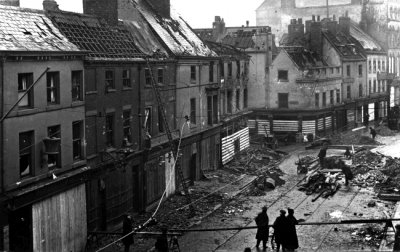
2. The second air raid on Hull was on 5th March 1916. It was a snowy Sunday evening, when the air raid started at 12 midnight. Two Zeppelins, the L.11 & the L.14, unable to reach Rosyth in Scotland, due to high winds, began to bomb Hull instead. The attack lasted over an hour. In Queens Street, a café, a Co-operative branch and several shops were totally destroyed. Railings at the South West corner of Holy Trinity Church were uprooted and the great West window was broken causing £25,000 damage. Houses were bombed in Linnaeus Street, Porter Street, Queens Street, Church Street, and Selby Street. Earle’s Shipyard was also hit. In all 17 civilians were killed, including the three Ingamell sisters, at No: 8 Linnaeus Street, Hull and a mother and her 4 children at 32 Collier Street, Brook Street, Hull. There were also another 52 people injured.
3. 5th April 1916, at 9.10pm, the Zeppelin L.11 returned to Hull and at a height of 12,000 feet was caught in searchlights and hit. It dropped to about 6.000 feet. Only one bomb was dropped in Hull which damaged a private house in Portobello Street. No one was killed or injured, but Jesse Mathews, a two month old baby, from Barnsley Street, died of shock.
4. 8-9th August 1916, the Zeppelin L.24 attacked Hull. This later became known as the ‘Selby Street Raid’, killing between 8 or 10 people and injuring 20 more. It was a dark, cloudy Tuesday night, but when the clouds lifted at midnight, the Zeppelin L.24, returning home from an inland raid, attacked Hull at 1.15am. It dropped high explosive and incendiary bombs on Anlaby Road and the railway, causing damage and deaths in Selby Street, Sandringham Street and Linnaeus Street. The deaths included two mothers and their daughters and three year old John Broadley, at 4, Roland Avenue, Arthur Street, Hull. Two people also died of shock (The Reverend, Arthur Wilcockson (86) & Esther Stobbart (aged 31). Another 20 civilians were injured. Many sought safety in the country and spent the night in fields and parks.
5. 2nd September 1917, a German Zeppelin attacking Hull, was driven off. No bombs were dropped and there were no casualties. John Ramsden, of Aberdeen Street, Hull, said that he saw the Zeppelin come to Hull from the east, but was driven away by anti aircraft gunfire. He later learned one of its petrol tanks had been shot away and found in a field in Hornsea.
6. 24th September 1917, 2.50am, the Zeppelin L.41, dropped a total of 16 bombs on South Parade, St James Street, Landsdowne Street and Fountain Street, Hull. There was little damage. The only casualty was a chicken which unfortunately was killed!
7. Tuesday, 12th March 1918, 1.15am – it was a dark, cloudy and drizzly night. At about 1.15am, the Zeppelin L.63 appeared from Hornsea and dropped six bombs on Hull. These fell on some allotments in Southcoates Avenue, Hull and damaged a large number of glass windows in the locality. Another six bombs fell in Sutton & Swine. The bombs killed a cow, damaged gardens in Cottingham and created a huge crater in Warne. One person died of shock (Sarah Masterman, aged 58) and three were injured.
Mrs Ellis, of Whitworth Street, Southcoates Lane, narrowly escaped death. She was walking towards the back door when a bomb fell in the rear garden. She heard a rushing sound and instantly threw herself to the ground, pulling her hat over her eyes. Pieces of the bomb went through the walls behind her, tore a huge piece of stonework from the front bedroom window ledge and threw it into the gateway. Every slate fell from the roof, but Mrs Ellis was unscathed.
Mrs Dick, of 62 Southcoates Avenue, said window frames were blown out and she found a large piece of bomb in her garden. The canary in its cage in front of the window was uninjured and was afterwards nicknamed ‘Zeppelin Dick’.
Miss Ellerby, of Southcoates Avenue, was in a cupboard when the bomb dropped. The walls were cracked and doors ripped off. Forty five buckets of debris were carried out of the front room.
As well as a number of Streets bombed and houses destroyed, some principal buildings damaged included Paragon Station, the Naval Hospital, Holy Trinity Church, and Earle’s Shipyard. Prominent Shops such Edwin Davis’s in the Market Place, Messrs J Good & Son, and Hewetson’s Saw Mills were destroyed. There were also some narrow misses at Ranks Flour Mill, Monument Bridge, Princes Dock and the new Guildhall. There were occasions were bombs failed to explode at Coltman Street, Bean Street and Argyle Street, Hull.
8. 5th August 1918, 1am was a Bank Holiday and the last recorded raid on Hull. It was very clear night and the Zeppelin L.11 arrived at about 1 am. It was caught in the search lights and received gun-fire which shook the entire ship. L.11 made off, managing to drop only a smoke bomb before it was driven away. There were no casualties.
Hull endured up to 50 air raid warnings between 12th April 1915 to 5th August 1918. Most of the air raid warnings were false alarms, but Hull was unfortunate, as it became a target for many of the air raid attacks by accident when the zeppelins were unable to reach their intended target. The Raids left a trail of death and destruction. In total, 43 civilians were killed, 11 died of shock and 115 were injured in Zeppelin Air Raids on Hull. Amongst those killed were 21 women and 17 children, including several families.
The City’s German community suffers retaliation
The Roman and Saxon invasions of Britain brought many Germans to Britain and by the 6th Century, an Anglo Saxon culture had been established, particularly in Eastern England. Since the 12th century, Hull had traded with Germans across the North Sea and the Baltic. The Hanseatic League, over 400 years, had connected Hull with 200 towns and cities. By the end of the 15th century, Hull was second only to London, as a trading port. Trade, made Hull an accessible place to settle. Before the French Revolution, Germans largely settled in Hull, to escape religious persecution. After Napoleon, Germans settled in the city for political and social reasons. The existence of a German congregation in Hull can be traced to the early 19th century, when in 1807 an existing German congregation ceased its meetings. However, there were already German craftsmen, butchers, bakers and a few merchants, living in Hull long before. During the 1830’s, Hull received 700 ships a year, with German crews, some of which docked for several weeks. To help cater for their needs, Hull’s first Lutheran German church was opened on 9 April 1848 (only the London German Church, built after the Great Fire in 1666 and the Liverpool church built in 1846 were older). Between 1869-1914, German Pastors were sent to Hull from Berlin. The congregation initially held its services at the Bethesda Chapel, Osborne Street (the site of the current Danish Church of St Nicholas). In 1859, a new chapel was acquired in Nile Street and the German Lutheran Church moved to this location. The Nile Street building was added to in 1884, when a German schoolhouse was constructed. A Seamen’s Mission, was opened at 12 Charlotte Street, Hull, in 1890. In 1898, a German reading room, in Charlotte Street was also purchased. Hull became more accessible. The Hull Ellerman and Wilson shipping lines operated the largest commercial passenger fleets in the world. They transported over two million people from Europe to the New World via Hull. Many Germans stayed when they arrived in Hull. Civic personalities and businessmen helped found the German community, including, E.F. Hohenrein, Oswald Hillerns, and Jonas Ellerman, a prominent businessman and father of Sir John Ellerman of the famous shipping company. By 1914, Hull’s German community had increased to over a thousand German speaking people from Germany, Austria, Switzerland, Holland, and the Baltic states. It was a vibrant well, integrated German community with successful businesses, clubs, and choirs. This however changed when WW1 began and Germans living in Britain would face increasing hostility.
National newspapers and Government policy were central to fuelling anti German propaganda in Britain. The press were quick to demonise Germans as the “Evil Hun” and portrayed domestic Germans as hidden spies, controlling Britain and preventing victory. The Aliens Restriction Act 1914, meant Germans could not move more than 5 miles and had to register with the police. The Act outlawed all German newspapers and clubs. A series of Government measures also closed down all German owned business in Britain and confiscated property and assets without compensation for the owners. The Government introduced a policy of wholesale internment of German males of military age (17-55), which destroyed family life. Internment camps, such as Knockaloe, situated on the Isle of Man, held over 23,000 men at its peak. The government deported German women, children and elderly throughout the war and also deported males who were released from internment. All things German became hated, and Germans were seen as the antithesis of British values. Anti German strikes eliminated German workers and anti German organisations, like the British Empire Union called upon the “Extirpation – Root, and Branch and Seed of German control and influence in the British Empire. The Albert Hall tried to ban all German music. The “German Shepherd” breed of dog was renamed the “Alsatian”. The German biscuit was renamed the “Empire Biscuit”. Leicester City Council renamed streets with German names – Saxe-Coburg Street became Saxby Street and Mecklenburg Street was renamed Severn Street. Richard Burdon Haldane (1856-1928), the War Secretary, was hounded out of office, for being a German sympathizer. Prominent Germans, like Sir Edgar Speyer (1862-1932), who helped build the London underground, left Britain. Anyone with German connections faced hostility, including the Royal Family, which changed its name, from Saxe-Coburg to Windsor in 1917. WW1 would destroy German communities forever. The German population in Britain, would fall from 53,234 (1911 Census) to 22,254 by 1919.
By 1915, Germanophobia was widespread in Britain. The sinking of the RMS Lusitania on 7th May 1915, which killed 1,200 civilians, including 94 children, caused national outrage. Zeppelin attacks on the North East coast in the same month, had brought war to the home front, for the first time. The German’s first use of chlorine gas, as a war weapon, on 22 April 1915, horrified the public. The East Yorkshire Regiments, some of which had been in France since 10 Sept 1914 had been badly mauled. 530 men who had enlisted in Hull had already been killed. Fresh in the memory was also the sinking of eight Hull ships, on one day, the 3rd May 1915. Anti German opinion was now widespread and supported by all classes. German Zeppelins were now attacking Hull homes, civilians and Britain’s way of life.
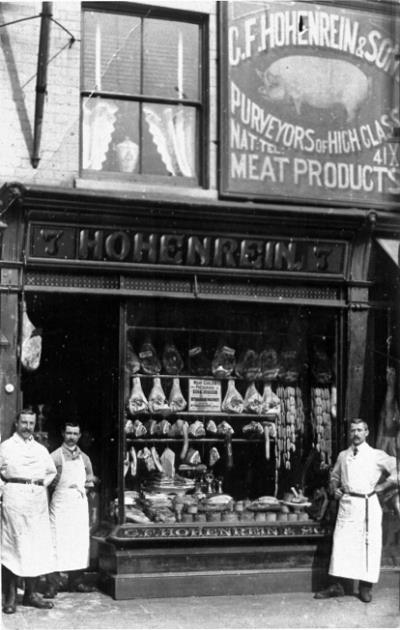
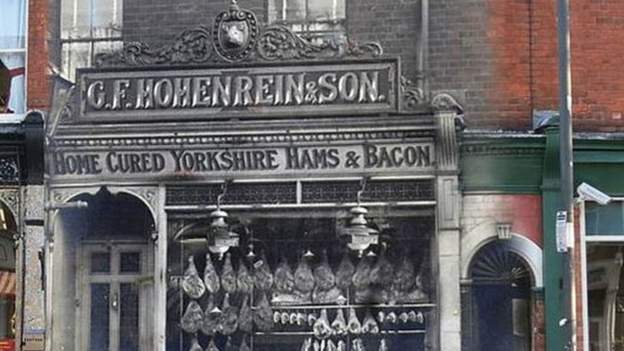
Probably the first anti German attack in Hull was on 24 October 1914, when the Hohenrein shop windows were smashed. There were also several anti German demonstrations in Hull, during May 1915, with 50 reported incidents of violence and many arrests for public disorder. Anything German became a target. Four German owned shops on Hessle Road and a pork butcher on Charles Street were attacked by angry crowds of up to 700 people. A mother and daughter were charged with stealing furniture from German shops, a man stole a mattress, others stole food. A German Grand Piano was destroyed. The damage and theft in Hull was substantial. The Watch Committee Minutes for 27th August 1915, lists 49 claims for damages by Hull people who suffered during the 15th May riot, and many of the names are distinctly German. In all some £258,000, was eventually paid out in Hull for compensation. Hatred of everything German increased and showed itself in the most detestable ways. A Hull born man, who probably did not know that his father was German, until showed a birth certificate, was dismissed from his post in the Work House. His ‘Guardian’ found it necessary to confess that he’d known him for 20 years as a docker, but never suspected this ‘Teutonic Taint’. Anyone suspected of being German were physically attacked in the street and had to be rescued by the police.
The first Zeppelin air raid on Hull, on 6 June 1915 prompted more public disorder. Hull had never experienced aerial bombing before. It was an unexpected and a truly terrifying event for an unsuspecting public. Hull had no air defences and was totally unprepared for the damage that the raid caused. War casualties on land and sea were increasing and people wanted retribution. Over a three day period, mobs of angry protestors, plundered “German” property and attacked anyone suspected of being sympathetic towards the Germans. German families, and many innocent people, were terrorised, personally threatened and had their possessions stolen. Police defending properties, were taunted by jeering crowds. A Royal Flying Corp vehicle in Hull, was stoned by an angry mob. A Flying Officer was attacked in Beverley. The Eastern Morning News, far from condemning the riots, openly supported them, pressurising the Government for more and stronger internment measures.
The Hull riots also caused widespread damage in the city during June 1915. However, news this time was largely suppressed. The events were censored, under Defence of the Realm, (DORA) regulations, which prohibited the reporting of air raids and their effects. There were only two references to the June 1915 riots in Hull – one by H.A. Jones “War in the Air, Volume 2 (1931) which says “Following the (Air) attack, rioting broke out in Hull and many German of supposed German shops were sacked, before troops restored order.” Another reference to the Hull riots also appeared in D.H Robinson’s book, A Zeppelin in Combat; A History of the German Naval Division 1912-1918 (1962) which says that “The official announcement of the Secretary of the Admiralty (regarding the effects of the air raid) admitted “fires in a drapery establishment, a timber yard and a terrace of small houses,” but this alone would hardly accounts for direct damage of £44,795. The incidental damage amounted to considerably more, for rioting broke out in Hull and mobs sacked many German of supposedly German shops in the city.“
The official papers relating to the “Hull Riots” in June 1915, were not released by the Town Clerks Department, until 75 years later in the mid 1988. They remained unavailable for inspection, in the Hull Public Records Office, until late 1990. We now know that the violence, threats and hostility prompted many “Germans” to leave Hull. Some Germans even changed their names, to avoid retribution. By the end of the war, the once proud and vibrant, pre war German community, had dwindled from over a thousand to just a few hundred people. German Churches and shops closed for the duration of the war. The first Zeppelin air raid damaged the German community in Hull forever. The German Lutheran Church in Hull did not dare to open again until the 1930’s and was closed again during World War Two. When it opened again on the 19 June 1949, only 100 Germans attended, mostly Prisoners of War not repatriated and German war brides, brought to Hull by returning servicemen. A new Lutheran church was established at 78 Sunny bank, but due to diminishing congregation numbers, was dissolved in 2010 and a final meeting was held at the Danish Church, Osborne Street, on the 18 November 2010. It was agreed that the Church’s assets should be given away, and so some of its silverware was sent to a needy church in Germany whilst the rest was donated to the Hull Museums Service.
Air Defences
During 1915, careful preparation was made to manage the impact of air raids. Lighting restrictions imposed made Hull “the darkest city in the Kingdom” for the rest of the war. Hull quickly established its own Anti Aircraft Unit to defend against attack. On the 5th July 1915, the Government placed a 6 foot “wooden” gun, on the roof of the Rose Downs and Thompson factory at Cannon Street. It was guarded by two soldiers. It was intended to raise morale, but was removed on the 23rd January 1916, due to public pressure and disposed of. (Its whereabouts now are unclear.) Stentorian Buzzers, or steam whistles were created to warn citizens of attack. Hull created the largest buzzer ever called ‘Big Lizzie’ and the ‘Hull Mail’ reported the following on 25th January 1915 – “ Arousing the Public in the event of certain happenings, for which the Germans will be responsible, the public at Hull are to be warned by the shrill blast of steam whistles. The steam organ valve whistles are being supplied by Messers George Clark and sons, Waterhouse Lane. The type to be used in Hull are 6 inch in diameter.” (Hull’s ‘Big Lizzie’ Buzzer below).
The author, JR Tolkein, experienced the 1917 Zeppelin Raids, whilst a patient at the Brooklands War Hospital, in Hull. He later helped develop Hull’s early warning air raid defences. As a battle experienced Signals Officer, he was attached to the Headquarters of the Humber Garrison and commanded a Royal Engineers outpost in the Post Office, in Roos. He then transferred, as Signals Officer instructor, with the 3rd (Reserve) Battalion Lancashire Fusiliers, a training battalion. His attachment to the 9th Battalion Royal Defence Corps during the winter of 1917-1918, meant he supervised essential, often coded, communications in the crucial approaches to the Humber Estuary.
Hull was divided into six districts – West, North West, Central, North East, East and the River section. Air raid drills were established and if an alarm was raised, 3,000 volunteer Special Constables would turnout to patrol the streets and ensure all lights were put out. Lights on the ground could help Zeppelins work out where they were, so it was important to have a complete blackout. Hundreds of Boy Scouts were used as dispatch riders, messengers and stretcher bearers. During 1915, 25 dressing stations were established in all parts of the City, staffed by Doctors and Members of the St John’s Ambulance Association to administer First Aid. By 1916, Britain also developed guns and searchlights to help defend against Zeppelins. They realised that the Zeppelin balloons were vulnerable to explosive shells which set light to the Hydrogen inside. Hull’s defences for the first two years were controlled by General Ferrier and the practice was to sound the alarm as soon as aircraft were sighted. However, when Major General Sir Stanley Von Donop took over control, alarms were not sounded until danger threatened the City. This saved much inconvenience.
In all, Zeppelins made 51 attacks on England, from a total of 159 air raids during the war. These killed 557 and injured another 1,358 people. Among the casualties was Mrs Lena Gilbert Ford, who wrote the patriotic war time song, ‘Keep the Home Fires Burning’. Mrs Ford and her thirty-year-old son Walter were the first United States citizens to become fatalities of a German air raid. Their London home being hit by one of two bombs, that fell on the city on 7 March 1918. Mrs. Brown, Ford’s mother, was only hurt in the bombing. Their remains were returned to and interred in the United States.
The use of German Gotha bombers began in May 1917 – these aircraft were capable of long distance flights and were used to make daylight raids on South East England. On 13 June 1917, German Gotha aircraft carried out an air raid on London – the first attack on London by a squadron of aircraft. Fourteen reached London, whilst three bombed Margate and Shoeburyness. At about 11.25am, bombs began to drop in the east end of London and in the City of London, bringing the highest casualties for any air raid on Britain in the war. Seventy two bombs were dropped within a one mile radius of Liverpool Street Station and in the east end, resulting in 162 civilian deaths and injuring 432 people.
Between June 1917 and May 1918, Gotha bombers made a further seventeen attacks on London and other south eastern towns. The last aeroplane attack of the war occurred on the night of 19/20 May, with one further Zeppelin attack on the night of 5/6 August 1918.
In all, more than 5,000 bombs were dropped on towns across Britain, causing £1.5 million in damage. 84 airships took part, of which 30 were lost, either shot down or lost in accidents. Aeroplanes carried out 27 raids, dropping 246,774 lb (111,935 kg) of bombs for the loss of 62 aircraft, resulting in 835 deaths, 1,972 injured and £1,418,272 of material damage. The 159 German air raids against England in WWI, resulted in 1,413 deaths and 3,409 injuries, mostly civilians. Damage from Air Raids was estimated to cost some £3 million.
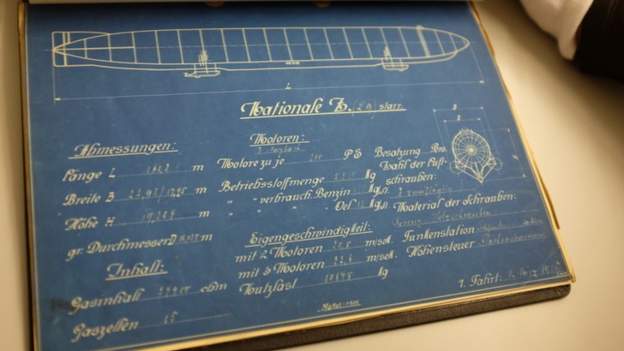
The Zeppelin that flew over the East Riding was capable of travelling at about 50mph (85kmph) and carrying up to two tonnes of bombs.
(Zeppelin Museum FriedrichshafenCopyright: Zeppelin Museum Friedrichshafen)
During their research into the 1915 attack, BBC Radio Humberside unearthed the actual blueprint (pictured) for the airship.
L-9, the craft that took part in the attack on Hull, was about 530ft (162m) long with a diameter of 53ft (16m).
The framework was originally wooden but by the time L-9 was built the frame had been replaced with aluminium.
Hull Civilians killed in Air Raids during World War One
(Names listed in date order of death, with ages and addresses. Those names marked in bold were civilians who died of shock)
| Foreman | Elizabeth Picard | 39 | 37 Walker Street, Hull | 06/06/1915 |
| Harman | Johanna Augusta | 67 | 93 Arundel Street, Hull | 06/06/1915 |
| Hill | Jane | 45 | 12 East Street, Church Street, Drypool, Hull | 06/06/1915 |
| Hill | George William | 48 | 12 East Street, Church Street, Drypool, Hull | 06/06/1915 |
| Pickering | Emma | 68 | 2 Sarah Ann’s Terrace, Porter Street, Hull | 06/06/1915 |
| Richardson | Maurice William | 11 | 50 South Parade, Anlaby Road, Hull | 06/06/1915 |
| Richardson | Violet | 8 | 50 South Parade, Anlaby Road, Hull | 06/06/1915 |
| Scott | Sarah Ann | 36 | 8 The Poplars, Durham Street, Hull | 06/06/1915 |
| Walker | Millicent | 17 | 2 St Thomas Terrace, Campbell Street, Hull | 06/06/1915 |
| Walker | William | 61 | 2 St Thomas Terrace, Campbell Street, Hull | 06/06/1915 |
| Walker | Alice Priscilla | 30 | 2 St Thomas Terrace, Campbell Street, Hull | 06/06/1915 |
| Cunningham | Georgina | 27 | 22 Edwin’s Place, Porter Street, Hull | 07/06/1915 |
| Jordan | Edward | 10 | 11 East Street, Church Street, Drypool, Hull | 07/06/1915 |
| Mathews | Alfred | 60 | 11 Walter’s Terrace, Waller Street, Hull | 07/06/1915 |
| Mitchell | Hannah | 42 | 5 Alexandra Terrace, Woodhouse Street, Hull | 07/06/1915 |
| Mullins | Norman | 10 | 39 Blanket Row, Queen Street, Hull | 07/06/1915 |
| Mullins | George | 15 | 39 Blanket Row, Queen Street, Hull | 07/06/1915 |
| Slade | Eliza | 54 | 4 Walter’s Terrace, Waller Street, Hull | 07/06/1915 |
| Smith | Sidney | 23 | 16 Bean Street, Anlaby Road, Hull | 07/06/1915 |
| Stamford | Tom Wood | 46 | 6 Blanket Row, Queen Street, Hull | 07/06/1915 |
| Watson | Annie | 58 | 21 Edwin’s Place, Porter Street, Hull | 07/06/1915 |
| Watson | William | 67 | 21 Edwin’s Place, Porter Street, Hull | 07/06/1915 |
| White | Florence | 30 | 3 Walter’s Terrace, Waller Street, Hull | 07/06/1915 |
| White | George Issac | 3 | 3 Walter’s Terrace, Waller Street, Hull | 07/06/1915 |
| Temple | Ellen | 50 | 20 St James Square, St James Street, Hull | 08/06/1915 |
| Booth | Jane Ann | 51 | 2 Alma Street, Church Street, Drypool, Hull | 14/07/1915 |
| Cattle | Robert | 48 | Little Humber Street, Hull | 06/03/1916 |
| Cattle | Frank William | 8 | Little Humber Street, Hull | 06/03/1916 |
| Collinson | James William | 63 | 14 Johns Place, Regent Street, Hull | 06/03/1916 |
| Cook | Edward | 38 | 33 St Luke Street, Hull | 06/03/1916 |
| Ingamells | Ethel Mary | 33 | 8 The Avenue, Linnaeus Street, Hull | 06/03/1916 |
| Ingamells | Lottie | 28 | 8 The Avenue, Linnaeus Street, Hull | 06/03/1916 |
| Ingamells | Martha Rebecca | 35 | 8 The Avenue, Linnaeus Street, Hull | 06/03/1916 |
| Ledner | Edward | 89 | Trinity House, Carr Lane, Hull | 06/03/1916 |
| Longstaff | John | 71 | 6 William’s Place, Upper Union Street, Hull | 06/03/1916 |
| Naylor | Ruby Mary | 8 | 32 Collier Street, Brook Street, Hull | 06/03/1916 |
| Naylor | Annie | 6 | 32 Collier Street, Brook Street, Hull | 06/03/1916 |
| Naylor | Edward | 5 | 32 Collier Street, Brook Street, Hull | 06/03/1916 |
| Naylor | Jeffery | 2 | 32 Collier Street, Brook Street, Hull | 06/03/1916 |
| Naylor | Charlotte | 30 | 32 Collier Street, Brook Street, Hull | 06/03/1916 |
| Pattison | James | 68 | 39b Regent Street, Anlaby Road, Hull | 06/03/1916 |
| Slip | Edward | 45 | 23 Queen Street, Market Place, Hull | 06/03/1916 |
| Smith | John | 30 | 2 Queens Alley, Blackfriargate, Hull | 06/03/1916 |
| Youell | George Henry | 40 | 4 Post Office Entry, Blackfriargate, Hull | 06/03/1916 |
| Mathews | Jesse | 2 months | 11 Cotton Terrace, Barnsley Street, Hull | 04/04/1916 |
| Bond | Elizabeth Jane | 75 | 6 Sydney Terrace, George Street, Hull | 08/08/1916 |
| Evers | Emma Louise | 46 | 25 Brunswick Avenue, St Georges Road, Hull | 08/08/1916 |
| Stobbart | Esther | 31 | 13 Henry’s Terrace, Wassand Street, Hull | 08/08/1916 |
| Bearpark | Emmie | 14 | 35 Selby Street, Anlaby Road, Hull | 09/08/1916 |
| Broadley | John Charles | 3 | 4 Roland Avenue, Arthur Street, Hull | 09/08/1916 |
| Hall | Elizabeth | 9 | 61 Selby Street, Anlaby Road, Hull | 09/08/1916 |
| Hall | Mary | 7 | 61 Selby Street, Anlaby Road, Hull | 09/08/1916 |
| Mary Louise Bearpark | Mary Louise | 44 | 35 Selby Street, Anlaby Road, Hull | 09/08/1916 |
| Wilcockson | The Rev., Arthur | 86 | 32 Granville Street, Hull | 09/08/1916 |
| Hall | Rose Alma | 31 | 61 Selby Street, Anlaby Road, Hull | 10/08/1916 |
| Lingard | Charles | 64 | 61 Walliker Street, Hull | 14/08/1916 |
| Jones | William | 80 | 19 Trinity House, Posterngate, Hull | 17/09/1916 |
| Clarkson | William | 62 | 2 Adderbury Grove, Beverley Road, Hull | 22/08/1917 |
| Masterman | Sarah | 58 | 9 Humber Avenue, Scarborough Street, Hull | 12/03/1918 |
Notes. All Casualties were buried in Hull. Alderman, John Henry Hargreaves, Lord Mayor of Hull, in 1915, provided burial funds for all victims, apart from two.
Related links –
