Calculating war casualties is complicated. What constitutes a Hull war casualty? Someone who died, who was born in Hull, or residing and working here? Someone that enlisted in Hull who may have lived elsewhere? Someone buried in a military grave in Hull? Do you include Hull born men who lived outside the City, or those who died fighting for other nations, like Australia, Canada of New Zealand? Do you include those from within the current Hull boundary today, or the much wider geographical area that Hull was then? In 1918, Hull encompassed many towns and villages in the East Riding of Yorkshire, which were tied to Hull by travel, work, and family. Even some Lincolnshire men, born on the south bank of the Humber, used Hull as their home address, in their sign up papers and war pension records.
Official records from the Commonwealth War Graves Commission (CWGC), record 4,827 men, with a direct link to Hull, killed during the First World War. 3,807 of these men served in the army, 986 in the Royal Navy; 569 in the Merchant Navy and 34 in the Royal Air Force. However, most CWGC records provide scarce details of a home town for casualties and only include the regiment in which they served. The East Yorkshire Regiment, which recruited almost exclusively in Hull and the East Riding, recorded 7,815 deaths during WW1.
UK Soldiers Died in the Great War 1914-18, a 1921 publication, that includes over 703,000 individuals, records that 6,569 men who enlisted in Hull, died in WW1. Of these 195, died in 1914; 816, in 1915; 1,802, in 1916; 1,781, in 1917; 1,971, in 1918 & 6, in 1919. 4,330, or 66% of these men, were born in Hull. 250 men enlisted in Hull from other parts of Yorkshire as did, 208 men from Lincolnshire, 86 Londoners, 84 men from other parts of England, 21 men from Scotland, 24 from Wales, 17 from Ireland and 30 men from Australia, Canada and New Zealand, that had a Hull connection, either by birth, work or residency.
In 1919, Hull’s Lord Mayor, reported that 7,000 men from Hull had died in the war, with another 14,000 wounded, of which 7,000 were maimed. The Hull casualty rate was therefore 30% of those who served, that is 21,000 men killed or wounded, from a total of 70,000 men recruited. However, when the foundation stone of the Hull Cenotaph was laid, on the 9th November 1923, the Lord Mayor then, declared that 12,000 people from Hull had died in the war. This increase suggests that perhaps, a third, or 5,000, of the initial 14,000 wounded, may have already died prematurely, in the four years after the war.
Counting Casualties
It is fair to assume, that Hull City Council, had a vested interest in recording local casualties accurately, particularly when they were expected to plan events and commemorations. It is not known exactly who, how, and what criteria the Hull Corporation (as it was known then) used to compile Hull’s war casualties, but Council records from the Hull History Centre, reveal that casualty figures were periodically reported, that the counting began early and a running total was kept during the war.
The Hull Corporation, was well placed to collect casualty figures centrally. The Guildhall stands adjacent to Hull’s Central Post Office, on Alfred Gelder Street, the hub of all War Office telegrams, the Council also owned the local Kingston Telephone Company; its switchboard being the centre for all communications; the Council supported all of Hull four main military hospitals; controlled all local cemeteries, to monitor every military burial; it controlled Hull’s many ports with access to records on all ships, crews, and repatriations; it worked closely with local newspapers that published casualty lists: it had a close association with Hull Trinity Church (Hull Minster) which compiled the “Golden Book”; It would have been the “go to” place for all churches, clubs and workplaces, seeking funding, permissions and commemorative events for their own war memorials, it would have worked closely with business that financed many Rolls of Honour, plus the army of volunteers (many of which were women), who went door to door collecting names and subscriptions for Hull’s street shrines. All these collaborations provided an opportunity to collect, collate and verify local casualty figures. In the absence of computers, spreadsheets and data bases, it was a remarkable achievement to count the 7,000 killed and 14,000 wounded, and to have published this figure in a commemorative book presented to all Hull school children at the Armistice Peace parties, in 1919.
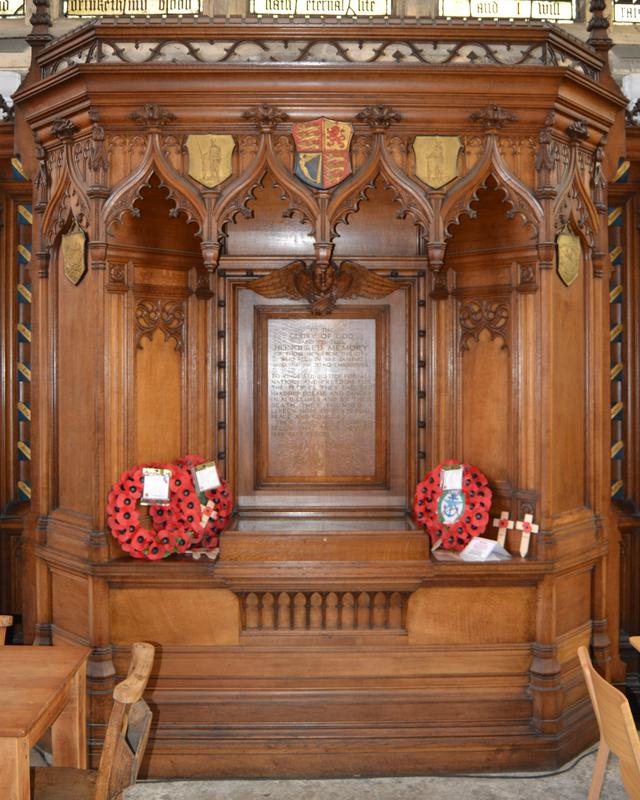
Keeping track of servicemen after the war became an even more complex task. When the Hull Cenotaph was unveiled in 1923, the Lord Mayor declared that Hull had lost 12,000 men in the war. This increase may have included those that had died of wounds since the war ended, or taken a more broader view of Hull as the city expanded. There may also have been some double counting, as research shows that some men appeared on multiple local war memorials.
The number of disabled Hull servicemen was a serious issue. Hull’s war wounded actually increased over time, as war injuries worsened and other war related wounds were reported. The Ministry of Pensions, for example, records 20,000 war wounded in Hull, in 1924. It’s difficult to estimate how many of these could now be included as a WW1 casualty, as some were still receiving WW1 pensions, long after the Second World war. However, such was the volume of visible wounded in the city, that Hull created the unique, Great War Civic Trust, to support them. This pioneering Charity, aided in various ways, hundreds of Hull servicemen and their families, long before the Welfare state and the National Health Service were created and remained in operation until the 11th November 1983, when only a few WW1 dependents remained. – https://ww1hull.com/the-city-of-hull-great-war-trust
This website records over 11,053 “Hull” casualties lost in WW1.
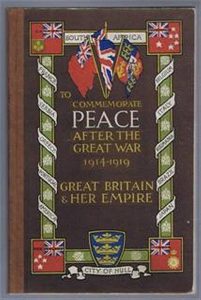
Publisher: A Brown & Sons Limited, 1919
Inside is a presentation plate filled in for Thomas Gillyon, of Constable Street School.
It records all the Hull names recorded on official, and national records as well as local Hull memorials.
It details all those who died, that were born in Hull, resided, worked and enlisted in the city, all the names of the dead, inscribed on street shrines; church memorials, work place and other “Rolls of Honour”;
It includes all the 6,569 men who enlisted in Hull, that died in WW1, 66% of which were born in Hull. Of these 195, died in 1914; 816, in 1915; 1,802, in 1916; 1,781, in 1917; 1,971, in 1918 & 6, in 1919. However, only 4,330, or 66% of these men, were born in Hull.
It includes all servicemen buried in CWGC graves in Hull cemeteries, all female personnel from Hull, known to have died in WW1; those who were Hull born, but died outside the city, fighting for other towns and regiments; all Hull men that died serving other Commonwealth nations; all Hull civilians killed locally in air raids, and Hull servicemen who died in accidents, training and illness away from the battlefront.
It includes those servicemen with a Hull address and were awarded a war pension or silver war badge, that died from the consequences of war, up to 1930.
It also includes overseas sailors who were lost serving on Hull ships (of which there were many).
It includes men from neighbouring towns and villages, associated with Hull, such as 600 men from Beverley and surrounding villages, Hessle (104 men), Cottingham (105); Hedon (22); Willerby (14), Sutton, (36); North Ferriby (24) and Hedon (22) and other nearby East Riding villages, with strong links to Hull.
It can be evidenced with confidence, that over 9,845 men with a direct link to Hull died in the First World War, a figure much higher than official national records, but lower than the 12,000 war dead reported by the Hull Lord Mayor in 1924. With the passing of time, Hull’s “true” losses, may never be known, but with the release of more online records, and regular contributions to this website, new Hull casualties are still being added today, to the Kingston Upon Hull 1914-18 Memorial website.
While Hull is more remembered for its extensive war damage during WW2, it should never be forgotten that 20 years before this, Hull suffered far greater casualties in WW1. Research from this website, shows that Hull related war deaths were at least 11,053 and the male population of Hull fell during and after the war. We can only speculate on the social, economic and psychological trauma that war casualties had on Hull between 1914-1918. Those that lived through it are now gone. Newspapers hint of the suffering,- families left heirless, penniless, orphaned, and homeless by war. Stories of suicides, depression and untreated madness, the hardships faced by returning veterans, and disabled servicemen, who often coped unaided. In time, when more newspapers are digitised, more Census records are released, and attics are cleared of war diaries and memorabilia, we may get a better understanding of the impact that the First World war had on the Hull.
Updating Hull Casualties
With the benefit of hindsight, we now know that for various reason, many WW1 casualties, were “lost” in the official reporting. People changed address and moved around frequently. Soldiers enlisted in different towns, under different names, and they transferred to different regiments, which confused the local connection. Discharged servicemen also complicated casualty figures. They suffered from many war aggravated ailments and diseases, like dysentery, malaria, trench foot, trench fever, gas poisoning, tuberculosis and Influenza. They were subjected to undiagnosed stresses and strains like “shell shock”, prone to excess drinking, smoking, and venereal diseases, which contributed to early mortality, but were not counted as direct war deaths. Even the much revered Commonwealth War records, do not include discharged soldiers who died “out of uniform” after service, from wounds and war related diseases.
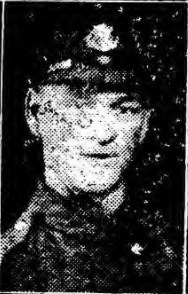
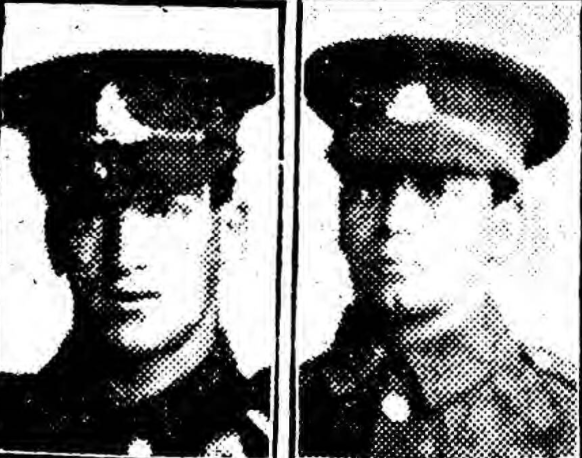
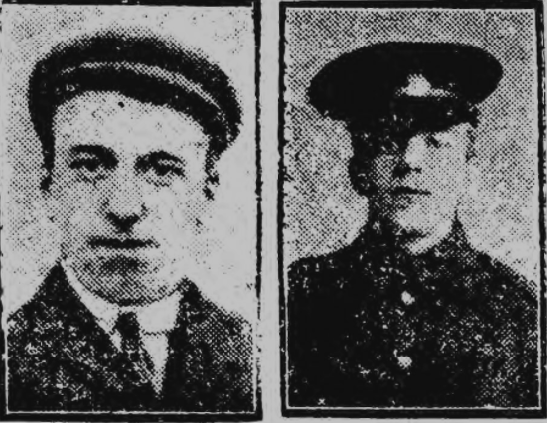
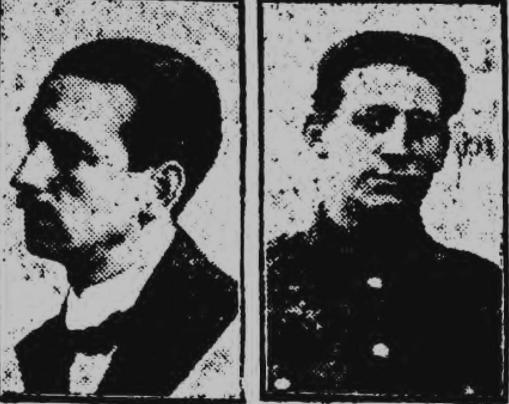
The Hull Daily Mail published many photographs of the fallen, particularly during 1914 and 1915. The number of pictures printed declined as the war went on. Below are some Hull Brothers reported killed in WW1.
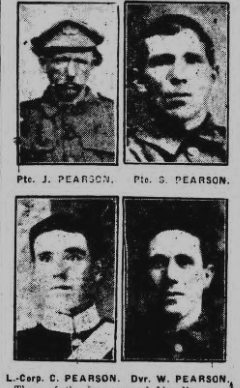
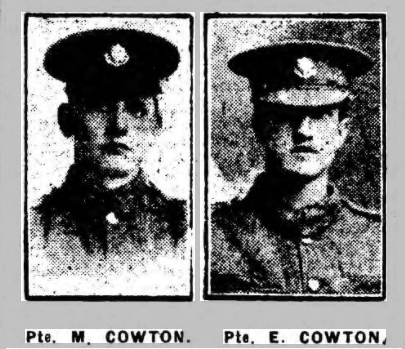
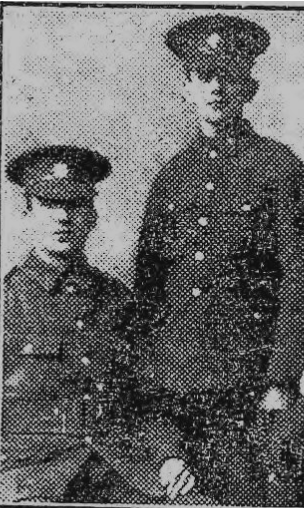
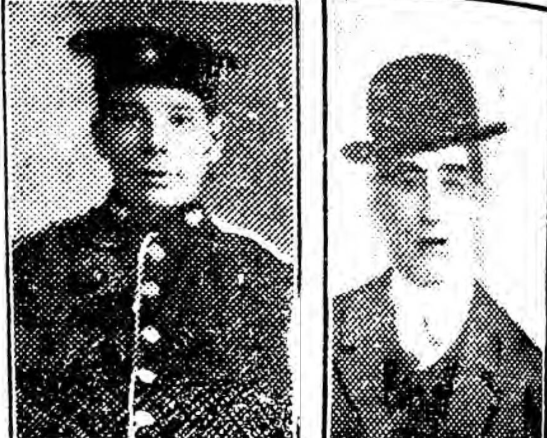
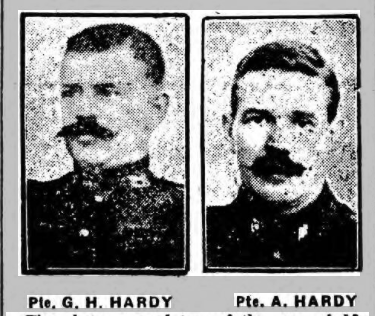
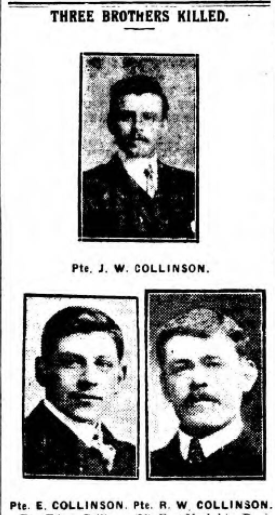
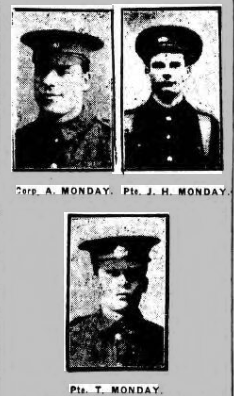
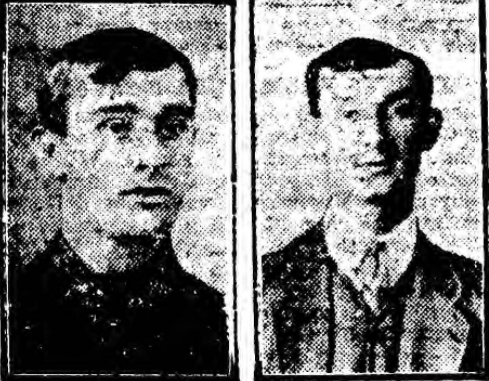

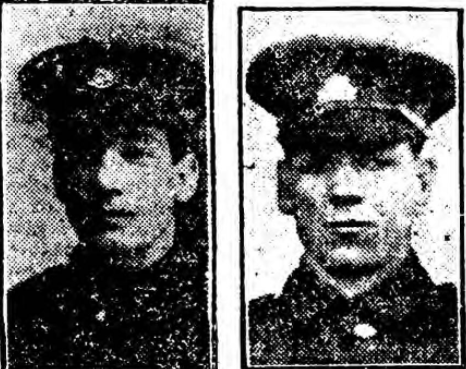
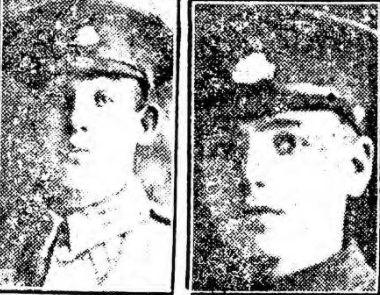
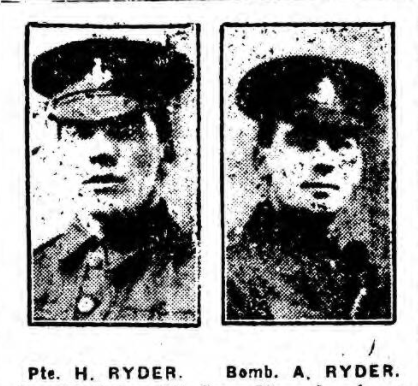
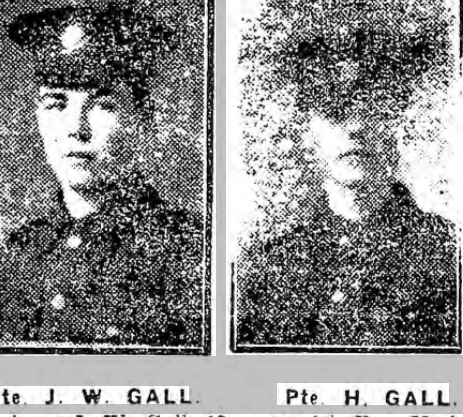
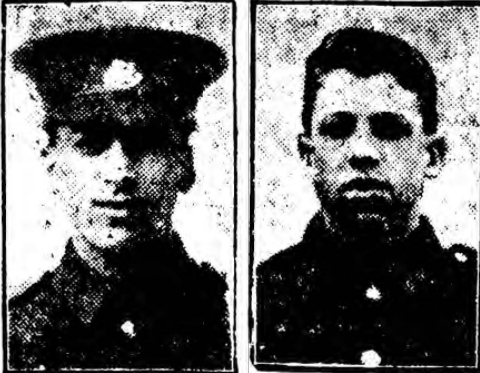
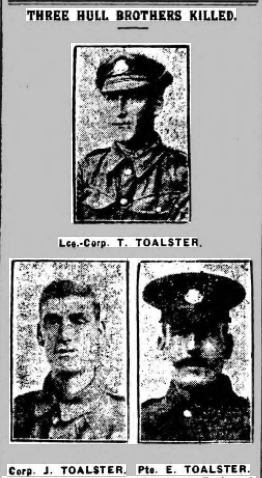
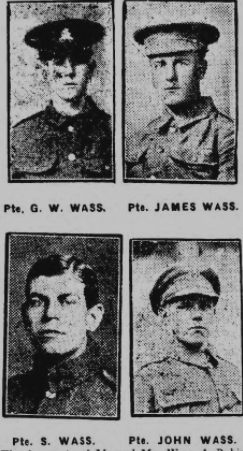
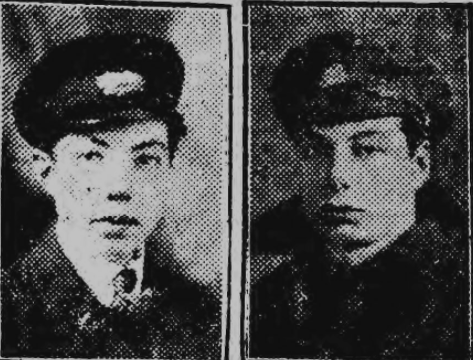
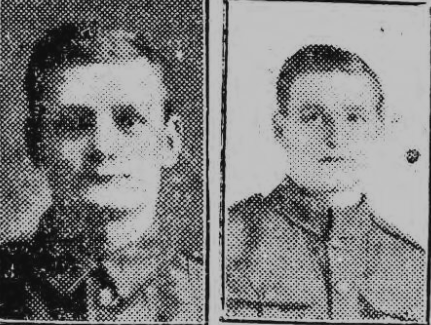
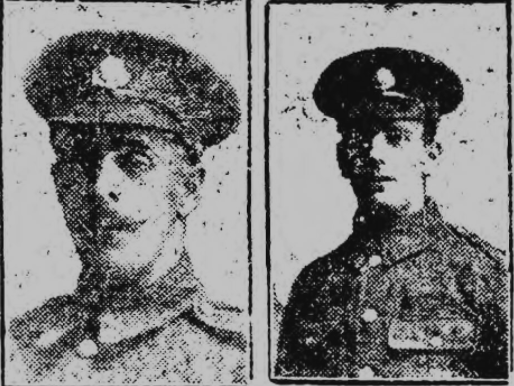
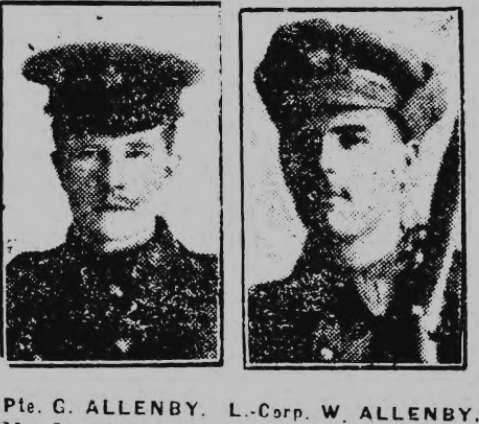
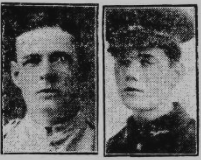
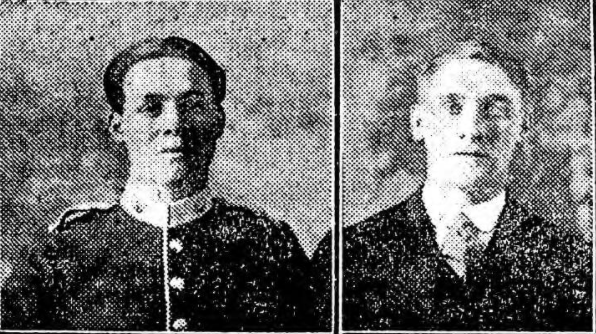
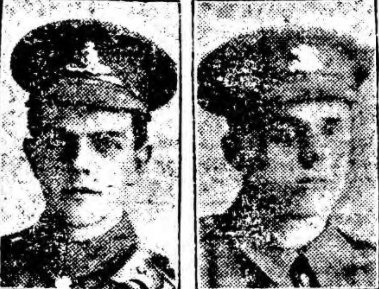
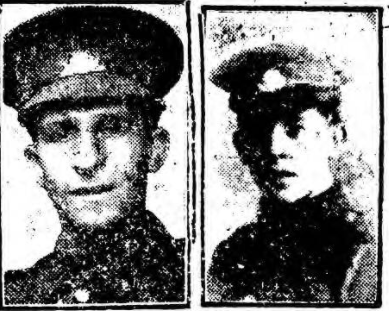
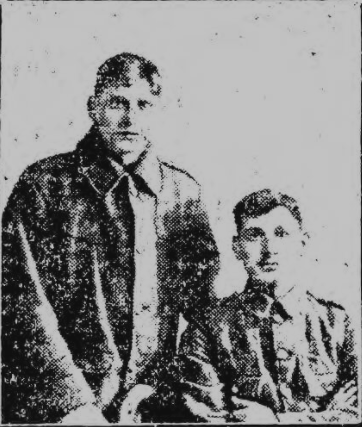
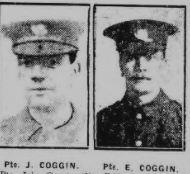
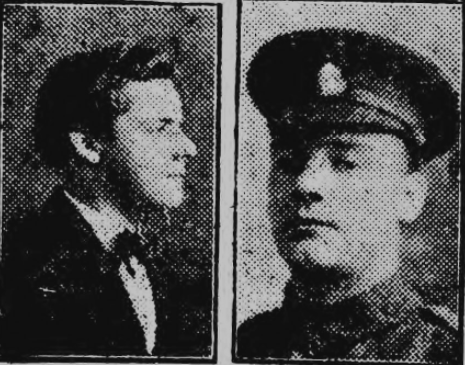
HULL News. In the early months of the war, there was a trade in soldier letters back home. Many of these were printed, in full, by local newspapers, often giving a graphic insight into the fighting. They reported death, the effects of shelling, the mud, cold and the deprivations of trench life. These publications became heavily censored after 1915.
Hindsight now reveals how local newspapers, often under reported grim news and spread out casualties, over time, to conceal the catastrophe. Mounting losses were often reported months after the event, pushed to the back pages, and mixed up with casualties from other towns, to dilute the impact. War deaths were also hidden between patriotic tales, good news stories of recovering wounded and the announcement of gallantry awards. These seemed to lighten the mood and soften the blow. However, news from returning soldiers, the sight of discharged wounded servicemen on street corners and the rush of over worked “Telegram Boys”, would constantly remind civilians of the brutality of war. The memoriam section on the back pages of the papers, provide many moving verses and poems to the fallen. These highlight the heart felt pain of bereaved friends, families and relatives. On the first anniversary on the Battle of the Serre, the Hull Daily Mail, printed many sorrowful messages, under the heading, “In Proud and undying Memory of the 13th November 1916” (Hull Daily Mail, 13/11/1917, page 3). The charge for a Memoriam Notice was two Shillings and Six pence, for three lines, and Ninepence, for every additional line of seven words. That said, people filled a page with their sentiments. Even a hundred years later, the reader cannot fail to be touched by these personal expressions of remembrance. The impact of war, on Hull, was clearly enormous.
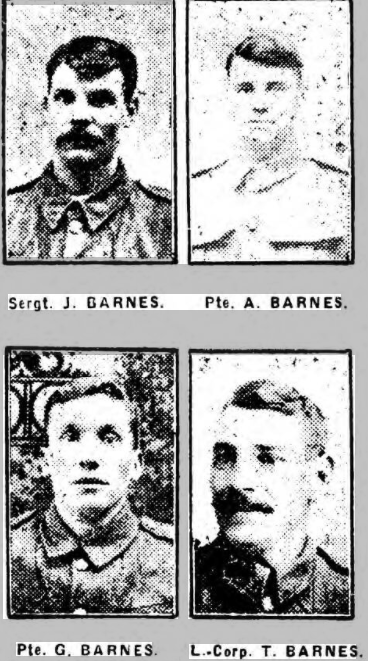
Hull’s four main hospitals and Voluntary Aid Detachment units were constantly busy. Hull was also the main port for repatriated prisoners of war, which added to their work load. Hull cemeteries are littered with servicemen that died in Hull far form home. Those with sight impairments were found work at the ‘Blind Institute’ on Beverley Road. Shell shock victims were treated at De La Pole hospital which also had wards for gas wounds. The Brookland’s hospital, on Cottingham Road, looked after Officers. The Reckitt’s hospital cared for some 3,000 patients during the war. The wounded were very visible in the community. They were often amputees, mutilated, or with appalling facial injuries. Many houses with drawn dark curtains, marked a casualty. It seemed that every family had lost someone, or knew someone that had been killed in the war. Civilians wore dark mourning dress, or black arm bands, to indicate that they were morning the loss of a loved one.
Men physically and mentally broken, or young men who had sacrificed their apprenticeships to go to war, now faced unemployment at home. Rationing of food and basic goods added to the community tension. There were no psychologists or social workers, to treat the victims of shell shock or counsel the large numbers of bereaved. Many families had to cope as best they could.
Newspapers of the time, are full of incidents of violence, drunkenness and anti social behaviour. This reflected the general, poverty, illness and the untreated madness or war casualties. Initial enthusiasm for the war quickly gave way to sadness and shock and a deepening psychological affect on the civilian population. Returning Servicemen had been assured a ‘Land Fit for Heroes’, only to find unemployment, austerity and indifference. Women who lost their husbands in the First World War were granted the first State-funded, non-contributory pension (meaning that they did not have to pay a contribution towards it). They also received a dependent’s allowance for any children under 16. Charities such as “The Soldiers’ and Sailors’ Families Association” and “The British Legion” provided some families with additional support. Hull created it’s own unique “Great War Civic Trust“, to specifically help Hull’s many wounded and bereaved families. Not all women were granted the pension. A woman who married an ex-soldier after he had been discharged from the army would not get a pension if he later died from war wounds. Some women had their pensions withdrawn by the Local Pensions Office if they were judged to be behaving in the wrong way, for instance if they were accused of drunkenness, neglecting their children, living out of wedlock with another man or had an illegitimate child. Thousands of women wrote to the authorities to appeal for a pension. There was fear that if the pension was too generous, then it would mean that women would be discouraged from supporting themselves. ‘Eighteen shillings a week and no husband were heaven to women who, once industrious and poor were now wealthy and idle’ one man wrote to the Daily Express, complaining of the pension.
Even after the war, men continued to die from war wounds, accidents and disease. Hull cemeteries contain many CWGC graves that show that these deaths continued into the early 1920’s. The Ministry of Pensions records 20,000 war wounded in Hull in 1924, so those who died prematurely from a direct result of the war, may well have continued for decades.
Another ongoing peril was unexploded sea mines which continued to take the lives of Hull fisherman, long after the war had ended. For example, the Hull Trawler, ‘Gitano’, struck a mine on the 23rd December 1918, and was sunk with all hands . The Hull Trawler ’Scotland’, struck a mine on the 13th March 1919, killing seven Hull men. Two days later the steam ship, ‘Durban’ exploded‘, killing another eight Hull sailors. The ‘Isle of Man’ (Hull), exploded on the 14th December 1919, killing a further seven Hull fishermen. The steam ship, ‘Barbados’ exploded on the 5th November 1920, taking ten Hull men. These included the two Weaver brothers killed on the same day. Many of these seaman had survived the war, only to be its victims after.
In order to maintain spirits and social order, newspapers released casualty figures sparingly and usually many months after they happened. Patterns of behaviour also changed, with people marrying across classes, taking on different types of employment and becoming more militant and questioning of authority. Crime increased after the war and became more brutal and organised, during the tough economic times ahead. Large numbers of wounded and disabled people adapted to a society, where there was only a limited welfare state to support them.
The scale of casualties and sense of loss, were strongly felt by all those who survived the Great War.